
Trails Worth Flying Across the World For
Destination hiking has gotten complicated with all the bucket lists and influencer recommendations flying around. As someone who has planned trips around trails on three continents and made both spectacular choices and disappointing ones, I learned everything there is to know about what makes a hike worth the journey. Today, I’ll share the trails that genuinely deliver.
This article includes affiliate links. We may earn a commission at no extra cost to you.
The Inca Trail, Peru
Probably should have led with this one, honestly. The Inca Trail remains iconic for good reason – you’re walking the same stones ancient messengers ran, through cloud forests and mountain passes, with Machu Picchu waiting at the end.
Four days, 26 miles, and serious crowds. Book months ahead because permits sell out. The altitude hits some people hard, so plan acclimatization time in Cusco first. Worth every logistical hassle.
- Distance: 26 miles (42 km)
- Duration: 4 days
- What makes it special: Historical significance meets stunning scenery
Torres del Paine Circuit, Chile
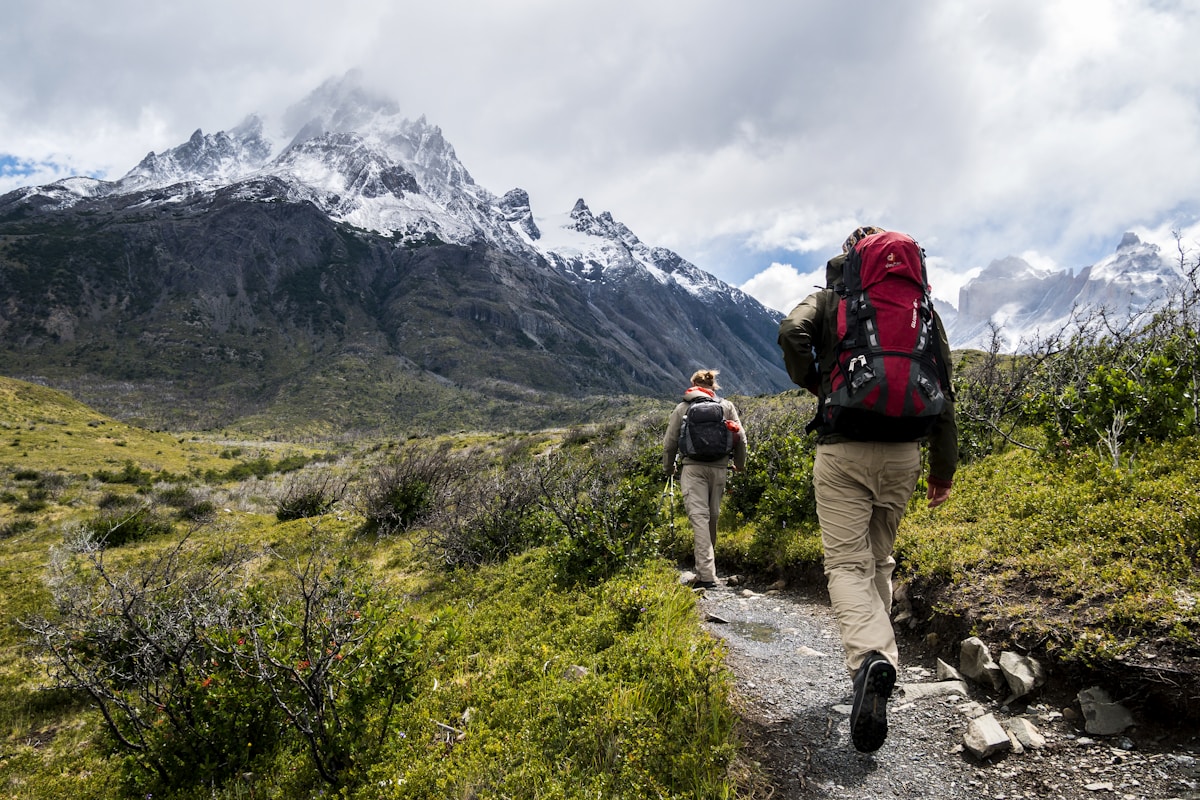
That’s what makes Patagonia endearing to us mountain-obsessed hikers – the landscape doesn’t look quite real. Glaciers calving into lakes, granite towers piercing the sky, wind that nearly knocks you over.
The O Circuit runs about 80 miles and takes 7-10 days. I’m apparently one of those people who loves unpredictable weather, and Patagonia’s four-seasons-in-one-day delivers excitement while more stable destinations never quite match the intensity. Pack for everything.
- Distance: 80 miles (129 km)
- Duration: 7-10 days
- What makes it special: Raw, dramatic Patagonian wilderness
Everest Base Camp, Nepal
You don’t need to be a mountaineer to stand at the foot of the world’s highest peak. The trek takes 12-14 days and requires proper acclimatization – rushing is dangerous at these altitudes.
Beyond the views, you’ll pass through Sherpa villages and Buddhist monasteries. The cultural experience adds depth that pure wilderness treks lack. Hire a guide or go with a reputable trekking company.
- Distance: 80 miles (129 km)
- Duration: 12-14 days
- What makes it special: Himalayan peaks and Sherpa culture
The GR20, Corsica, France
Europe’s toughest long-distance trail, or so they claim. The Corsican mountains are rugged, the paths are steep and rocky, and the scenery justifies the suffering. About 112 miles over 15 days.
This isn’t a beginner trail. You’ll need solid fitness, scrambling experience, and proper gear. But if you’re ready for a physical challenge wrapped in Mediterranean mountain beauty, the GR20 delivers.
- Distance: 112 miles (180 km)
- Duration: 15 days
- What makes it special: Technical challenge in stunning terrain
Milford Track, New Zealand
Often called “the finest walk in the world” – marketing, sure, but also kind of accurate. Four days through New Zealand’s Fiordland, with rainforests, waterfalls, and glaciated valleys.
Permits limit daily hikers, so the trail never feels crowded. You’ll need to book huts well in advance. The weather is wet (this is rainforest), so come prepared, but the lush greenery is part of the experience.
- Distance: 33 miles (53 km)
- Duration: 4 days
- What makes it special: Pristine wilderness with controlled access
Laugavegur Trek, Iceland
Iceland looks like no other place on Earth, and this 3-4 day trek shows you why. Volcanic deserts, steaming hot springs, colorful rhyolite mountains, and glaciers in the distance.
The trail runs from Landmannalaugar to Thorsmork – about 34 miles. Huts along the way make camping optional. Weather can shift dramatically, but that’s part of the Icelandic experience.
- Distance: 34 miles (55 km)
- Duration: 3-4 days
- What makes it special: Otherworldly volcanic landscapes
Tour du Mont Blanc, France/Italy/Switzerland
A loop around the Mont Blanc massif through three countries. Eleven days, 110 miles, and the full Alpine experience – meadows, high passes, glaciers, and charming mountain huts with actual food.
This is more civilized than many long-distance trails. You can sleep in refuges with hot meals and wine. The walking is strenuous but not technical. Perfect for a first major trek.
- Distance: 110 miles (177 km)
- Duration: 11 days
- What makes it special: Classic Alpine scenery with comfortable logistics
Overland Track, Tasmania, Australia
Six days through Cradle Mountain-Lake St Clair National Park. Rainforests, alpine plateaus, and creatures found nowhere else. Tasmania’s wilderness has a distinctive character.
The track is well-maintained with huts or camping. Book ahead during peak season. Wildlife encounters – wombats, wallabies, maybe a Tasmanian devil – add to the experience.
- Distance: 40 miles (65 km)
- Duration: 6 days
- What makes it special: Unique Australian wilderness
West Highland Way, Scotland
Scotland’s premier long-distance path runs 96 miles from Milngavie to Fort William. Through lochs, moors, and highlands, with enough pubs along the way to make the walking social.
Takes about 7-9 days. The terrain is varied – some easy walking, some challenging climbs. Weather is unpredictable (this is Scotland), but the scenery rewards the effort.
- Distance: 96 miles (154 km)
- Duration: 7-9 days
- What makes it special: Scottish highlands with good infrastructure
Camino de Santiago, Spain
More pilgrimage than hike, but the walking is real – about 500 miles over 30-35 days on the classic French Way. You’ll meet people from everywhere, share meals and stories, and maybe find something you weren’t looking for.
The infrastructure is excellent – hostels (albergues) along the entire route, arrows and shells marking the way. No wilderness experience, but a human one.
- Distance: 500 miles (800 km)
- Duration: 30-35 days
- What makes it special: Social pilgrimage tradition
Day Hike Honorable Mentions
Not everyone has weeks to spare. These shorter options still justify a plane ticket:
- Tongariro Alpine Crossing, New Zealand: 12 miles of volcanic terrain in one day. Emerald lakes, craters, steam vents.
- Zion Narrows, Utah: Wading through a slot canyon carved by the Virgin River. Unique and unforgettable.
- Cinque Terre, Italy: Coastal trail connecting five colorful villages. Combine hiking with Italian food.
Planning Notes
A few things I’ve learned:
- Research permit requirements early – popular trails book months ahead
- Altitude needs respect. Build in acclimatization time for high-elevation treks
- Local guides aren’t always necessary but often enrich the experience
- Travel insurance that covers evacuation is worth the cost
- The shoulder seasons (spring and fall) often offer better weather and fewer crowds
The best trail for you depends on your fitness, your timeframe, and what you’re hoping to experience. Start with something that matches your current abilities and build from there. Happy trails, wherever they lead.



Stay in the loop
Get the latest trail owl updates delivered to your inbox.