As someone who once carried a 40-pound pack on a three-day trip and swore off backpacking entirely, I can tell you that going ultralight changed everything. I learned everything about weight reduction through obsessive spreadsheets and many trips where I brought things I never touched. Probably should have led with this, but the key to ultralight isn’t suffering – it’s questioning every single item and realizing most of what we carry is habit, not necessity.
This article includes affiliate links. We may earn a commission at no extra cost to you.
The Big Three Are Where It Matters
Shelter, sleep system, and pack account for the majority of base weight for most backpackers. Obsessing over cutting your toothbrush in half while carrying a 5-pound tent misses the point entirely. A four-pound tent replaced with a two-pound shelter saves more weight than every gram-counting trick combined.
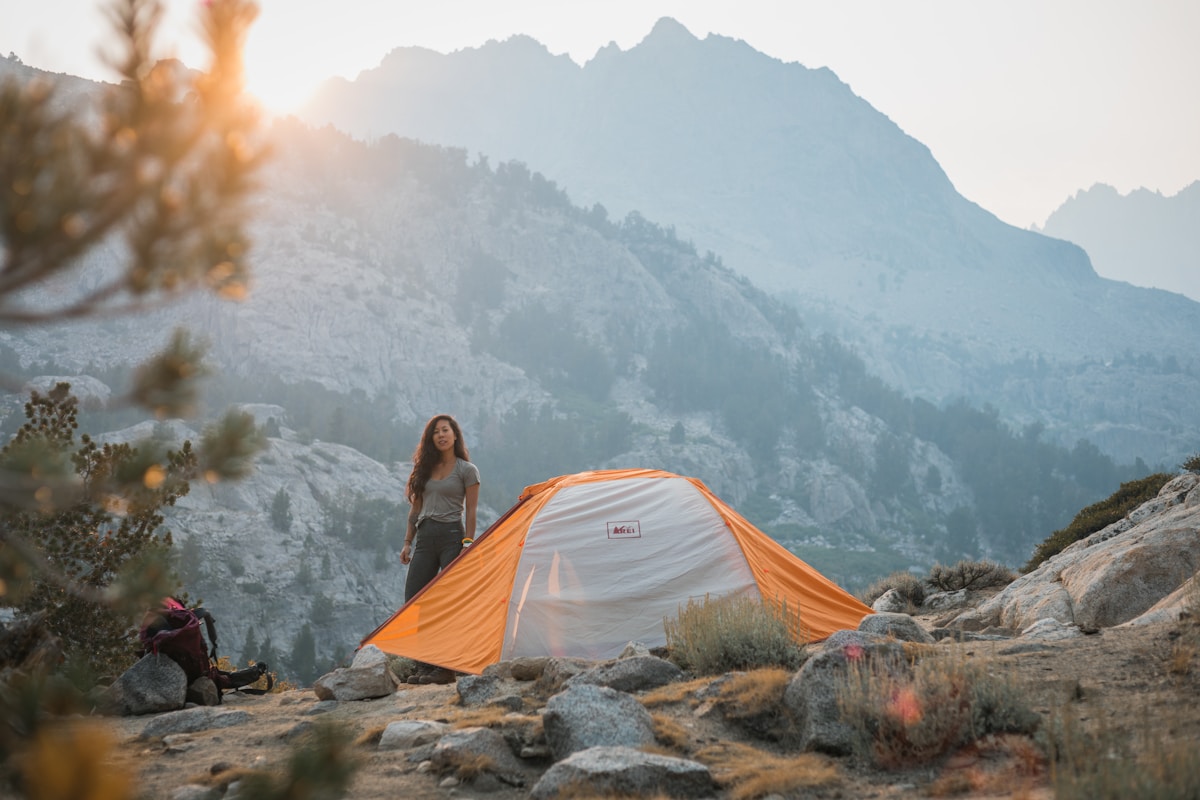
Modern ultralight shelters provide legitimate protection at half the weight of traditional tents. I was skeptical about tarps and single-wall shelters until I actually used them – turns out adequate protection doesn’t require double-wall construction and heavy poles.
Quilts replace sleeping bags for many ultralight hikers. If you’re a side sleeper or tend to run warm, quilts eliminate insulation that just compresses uselessly beneath your body anyway. I switched three years ago and haven’t looked back.
Frameless packs become viable once your base weight drops below fifteen pounds. The pack weight savings compound the benefits of lighter gear inside it. But trying to go frameless before you’ve reduced overall weight just means suffering.
Clothing Reality Check
Pack versatile layers that serve multiple purposes rather than specialized items for every possible condition. My rain jacket doubles as wind protection. Merino base layers resist odor well enough for multi-day wear without extra shirts.
One set of hiking clothes and one set of sleep clothes covers trips of any length. I resisted this idea for years, packing “just in case” extras that never left my pack. The math is simple: clothes you never wear cost weight every mile.
Cotton has no place in an ultralight kit – or any backpacking kit, really. Synthetic and merino dry fast, insulate when damp, and weigh less than cotton equivalents. Leave the comfortable cotton t-shirt in the car.
Kitchen Minimalism
Cold soaking eliminates stove weight entirely for hikers willing to eat rehydrated meals at ambient temperature. I was skeptical until trying it – couscous and instant beans rehydrate perfectly in cold water. Not gourmet, but functional.
For those who genuinely need hot food (I get it – hot coffee matters to me), alcohol stoves weigh under an ounce. Compact canister stoves run under three ounces. Either option beats carrying a heavy pump stove.
One pot, one spoon, one cup handles everything. I eat directly from the pot, eliminating the weight and hassle of separate bowls. A long-handled titanium spoon reaches the bottom of freeze-dried bags without getting food all over your hands.
Water Strategy
Carry only the water you need between reliable sources rather than hauling maximum capacity everywhere. A liter weighs over two pounds – that adds up fast if you’re carrying more than necessary.
Study your route. Know where water actually exists and plan carry volume accordingly. Carrying three liters when the next source is two miles away is dead weight.
Squeeze filters weigh ounces where pump filters weigh pounds. Chemical treatment weighs essentially nothing but requires patience. Choose your method based on how you actually hike and the water sources you encounter.
What I Refuse to Cut
Safety items earn their weight every single trip. First aid supplies, navigation tools, emergency shelter, and adequate food and water should never be sacrificed for gram savings. The ten essentials exist because experienced people learned hard lessons about what’s actually essential.
Comfort items that keep you hiking happily often prove worth their weight too. My camp pillow weighs a few ounces and makes the difference between sleeping well and sleeping miserably. A favorite snack adds grams but improves my entire trip. Ultralight should enhance experiences, not create suffering in pursuit of theoretical perfection.
How I Actually Went Ultralight
Reduce weight gradually rather than replacing everything at once. Each trip reveals which heavy items you actually used and which you carried pointlessly. Replace the heaviest unused items first for maximum impact with minimum spending.
Borrow or rent ultralight gear before buying to test whether it works for you. That tarp shelter saving two pounds might be miserable in your typical conditions. Experience teaches better than gear reviews from strangers hiking different terrain in different weather.
That’s what makes ultralight personal – it’s about your trips, your conditions, your tolerance for different tradeoffs. Start with the big items, question everything, and let each trip teach you what actually matters.



Stay in the loop
Get the latest trail owl updates delivered to your inbox.