Backpacking combines hiking with overnight camping to create multi-day wilderness adventures that take you far beyond day-hike destinations. While the learning curve can feel steep for beginners, mastering the fundamentals transforms backpacking from intimidating to liberating. This guide covers everything you need to know before your first overnight trail experience.
Essential Gear Categories
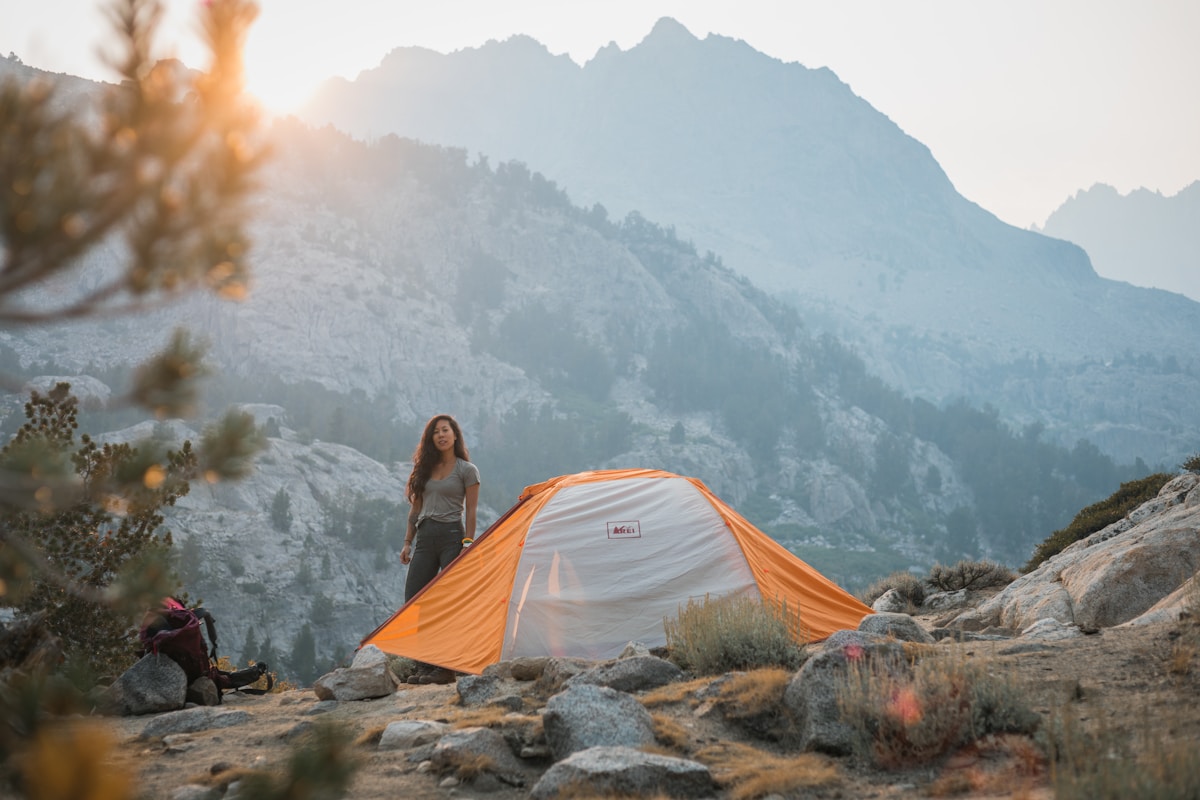
Backpacking gear falls into three main systems: shelter, sleep, and pack. Your shelter system includes your tent, tarp, or hammock setup along with a ground cloth or footprint. The sleep system combines your sleeping bag, sleeping pad, and pillow. Your pack carries everything and distributes weight across your hips and shoulders properly.
Beyond the big three systems, you need cooking equipment, water treatment, navigation tools, first aid supplies, and clothing layers. Starting with borrowed or rented gear lets you test preferences before investing hundreds of dollars in equipment you might not like.
The Ten Essentials
Every backpacker should carry the ten essentials regardless of trip length. Navigation tools include maps, compass, and GPS devices. Sun protection means sunscreen, sunglasses, and sun-protective clothing. Insulation covers extra layers beyond what you expect to need. Illumination requires a headlamp plus backup batteries.
First aid supplies handle minor injuries and emergencies. Fire starting materials enable warmth and signaling in survival situations. Repair tools and a knife solve gear failures in the field. Nutrition means extra food beyond planned meals. Hydration covers water and treatment methods. Emergency shelter provides backup protection if your primary shelter fails.
Planning Your First Trip
Choose a destination appropriate for your fitness level and experience. State parks with established backcountry sites offer maintained trails, reliable water sources, and emergency access if problems arise. Keep your first trip to one night with modest mileage so you can focus on learning systems rather than pushing physical limits.
Check permit requirements well in advance. Popular destinations may require reservations months ahead. Weather forecasts deserve attention up until departure. Trail conditions from recent reports reveal current challenges like snow, water crossings, or trail damage.
Weight Management
Base weight refers to everything in your pack except consumables like food, water, and fuel. Keeping base weight under twenty pounds makes hiking significantly more enjoyable. Ultralight backpackers aim for base weights under ten pounds, but this requires expensive gear and careful planning.
Cut weight by eliminating duplicate items, choosing lighter alternatives, and questioning whether you truly need each item. The heaviest items offer the biggest savings. Switching from a four-pound tent to a two-pound option saves more weight than obsessing over lighter toothbrush handles.
Food and Water Strategy
Plan roughly two pounds of food per person per day. Dehydrated meals minimize weight while providing calories. Supplementing with snacks like nuts, dried fruit, and energy bars keeps energy levels stable between meals. Pack calorie-dense foods that provide the most energy for their weight.
Water weighs roughly two pounds per liter. Carrying water for an entire trip becomes impractical quickly. Instead, plan water sources along your route and carry treatment methods. Filters, chemical treatments, and UV purifiers each have advantages depending on water conditions and personal preference.
Leave No Trace Principles
Responsible backpacking follows Leave No Trace principles that protect wilderness areas for future visitors. Plan ahead and prepare to minimize impact. Travel and camp on durable surfaces. Dispose of waste properly by packing out all trash and burying human waste in catholes at least six inches deep and two hundred feet from water.
Leave what you find rather than collecting natural souvenirs. Minimize campfire impacts by using established fire rings where permitted. Respect wildlife by observing from distance. Be considerate of other visitors by keeping noise levels reasonable and yielding trail right-of-way appropriately.
Building Experience Safely
Progress gradually from car camping to frontcountry backpacking to remote wilderness trips. Each level builds skills and confidence for the next challenge. Join local hiking clubs or take wilderness courses to learn from experienced backpackers. The investment in knowledge pays dividends through safer, more enjoyable trips for years to come.


Stay in the loop
Get the latest wildlife research and conservation news delivered to your inbox.