How I Pack My Backpack (After Way Too Much Trial and Error)
Backpack packing has gotten complicated with all the ultralight debates and gear reviews flying around. As someone who once forgot a rain jacket on a three-day trip and packed way too many “just in case” items on another, I learned everything there is to know about efficient packing the hard way. Today, I’ll share what actually works.
Start With the Right Backpack
Probably should have led with this section, honestly. All the packing strategies in the world won’t help if your pack doesn’t fit or can’t hold what you need.
For multi-day trips, I typically use something in the 50-65 liter range. Smaller for summer, larger for cold weather when clothing and sleeping gear get bulkier. What matters most is how it sits on YOUR body – not what some reviewer says about it. Get fitted at an actual outdoor store if you can.
Look for a decent hip belt (it should transfer weight to your hips, not your shoulders), padded shoulder straps, and some adjustment options for torso length. Internal frame packs work for most people, but I know hikers who swear by external frames for heavy loads.
The Stuff You Can’t Skip
Before worrying about organization, make sure these actually make it into the pack:
- ID, cash, and any permits or maps for your route
- Headlamp with fresh batteries (not just your phone flashlight)
- Multi-tool or knife – you’ll use it more than you expect
- First aid basics that you actually know how to use
- Navigation backup for when your phone dies
Clothing That Earns Its Weight
That’s what makes clothing choices endearing to us backpackers – every ounce matters, but underpacking means suffering. I’m apparently one of those people who runs hot while hiking but gets cold at camp, and layering works for me while bringing separate “camp clothes” never quite pays off.
My clothing system:
- Moisture-wicking base layer (not cotton – seriously, not cotton)
- Light insulating layer like fleece or light down
- Waterproof shell that actually works in real rain
- One extra pair of socks and underwear (maybe two pairs of socks for longer trips)
- Warm hat and gloves if there’s any chance of cold
That’s it. I’ve done week-long trips with just this rotation. Rinse socks in a stream and dry them on your pack during the day.
Footwear Matters More Than Almost Everything
Break in your boots before any serious trip. This isn’t negotiable. New boots on day one of a 30-mile trip is a recipe for blisters and misery.
Match your footwear to the terrain. Lightweight trail runners work great on well-maintained paths. Rugged terrain or heavy pack weight might need more supportive boots. I’ve switched to mid-height hikers for most trips – enough ankle support without the weight of full boots.
Food and Cooking Gear
Keep your cook kit minimal. A small stove, one pot, and a spork covers most needs. Pack enough fuel for your trip length plus a little margin. Dehydrated meals are lightweight and easy – just add boiling water. Supplement with snacks that don’t need cooking: nuts, dried fruit, energy bars, maybe some jerky.
Water purification is non-negotiable. Filter, tablets, or UV – pick what works for your water sources. I carry a squeeze filter for day-to-day and tablets as backup.
Sleep System
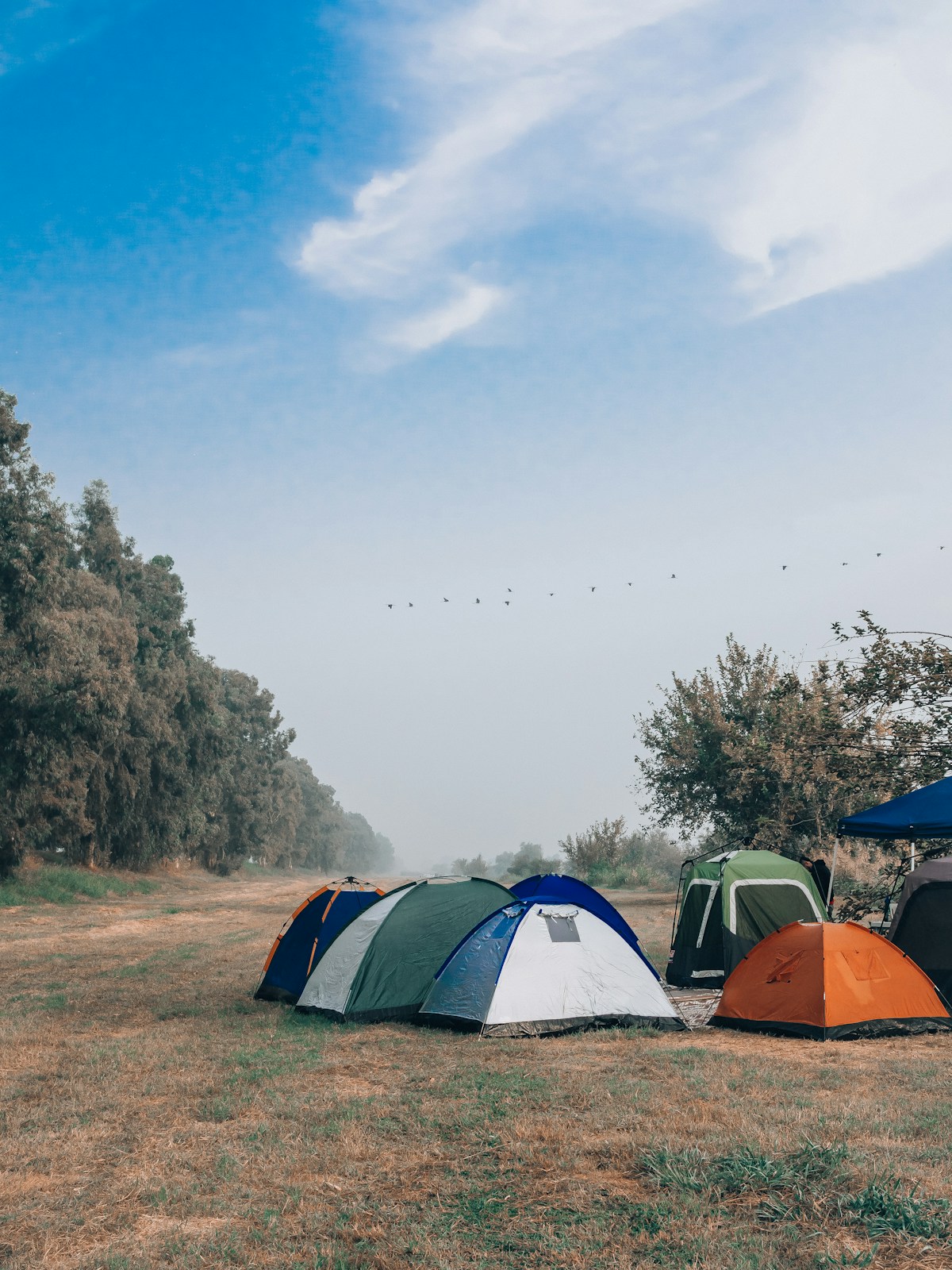
Your tent should handle the worst weather you might encounter. Two-person tents offer more space without being too heavy. A good sleeping bag rated for temperatures below your expected lows keeps you warm. The sleeping pad is just as important – cold ground will steal body heat right through your bag.
I’ve learned to invest in sleep gear. A bad night’s sleep ruins the next day’s hiking.
First Aid and Personal Care
Build a kit around injuries that actually happen on trails: blisters, cuts, sprains, allergic reactions. Skip the exotic stuff unless you have specific medical needs. Include any personal medications and know what you’re carrying.
For hygiene, go minimal and biodegradable. Small towel, camp soap, toothbrush, hand sanitizer. A lightweight trowel if you need to dig cat holes away from camp.
Weather Prep
Check forecasts obsessively before your trip, but pack for conditions worse than predicted. Mountains create their own weather. Rain gear and a pack cover weigh almost nothing and prevent a lot of misery.
How to Actually Pack It All
Weight distribution matters. Heavy items (food, water, cooking gear) go in the middle of the pack, close to your back. This keeps your center of gravity stable. Lightweight bulky items (sleeping bag, clothes) go at the bottom. Things you need during the day (rain jacket, snacks, map) stay in outside pockets or the top pocket.
Use stuff sacks or packing cubes to keep categories organized. Nothing worse than digging through your entire pack looking for a headlamp.
Optional Extras
If weight allows:
- Small journal and pen for documenting your trip
- Portable charger for longer trips
- Binoculars if you’re into wildlife watching
- Camp shoes or sandals for giving your feet a break
Leave No Trace
Pack out everything you pack in. Everything. Including orange peels and banana peels – they don’t decompose as fast as people think. Stick to established trails and campsites. Keep wildlife wild by storing food properly.
Good packing means bringing enough without overdoing it. When in doubt, make a packing list, lay everything out, then remove at least three items you probably won’t need. Test your setup on shorter trips before committing to extended backcountry time. Happy trails.

Stay in the loop
Get the latest wildlife research and conservation news delivered to your inbox.