
Solo Hiking Changed How I Think About Everything
Hiking alone has gotten complicated with all the safety warnings and social media hot takes flying around. As someone who was terrified to hike solo for years before finally trying it, I learned everything there is to know about the experience firsthand. Today, I’ll share what actually happens when you hit the trail by yourself.
You Actually Hear the Forest
That’s what makes solo hiking endearing to us introverts – the silence isn’t silence at all. Without a hiking partner’s conversation filling the air, you suddenly notice everything. Wind moving through pine needles. A woodpecker working on a dead tree somewhere to your left. Water trickling in a drainage you’d have walked right past.
I’m apparently one of those people who needs regular doses of this quiet, and solo hikes work for me while group outings never quite deliver the same mental reset. Your brain stops its usual chatter when there’s nothing to respond to.
You Make All the Decisions
This sounds obvious, but it changes everything. When to stop for water, which fork to take, whether to push through rain or wait it out under a tree – every call is yours.
Probably should have led with this section, honestly. The confidence you build from handling trail decisions bleeds into regular life. After navigating a confusing trail junction alone in the fog, work problems feel smaller.
The Exercise Hits Different
Solo means setting your own pace. No keeping up with faster friends, no slowing down for beginners. You can hammer a steep section when you’re feeling strong, then crawl the flat stretches when you need recovery.
I’ve found my best workouts happen alone. No ego involved, no pressure to perform. Just me and the trail, moving at whatever speed feels right in that moment. My legs get stronger, my lungs adapt, and I’m not embarrassed about stopping to catch my breath.
Mental Clarity Is Real
Something about walking alone for hours rearranges your thoughts. Problems you’ve been grinding on suddenly have obvious solutions. Ideas pop up from nowhere. Writers, artists, and entrepreneurs have known this forever – solitude sparks creativity.
By mile five, my brain stops rehearsing imaginary conversations and just… relaxes. It’s the closest I get to meditation without sitting cross-legged and pretending to clear my mind.
Mindfulness Without the App
Every step demands attention when you’re alone. Roots, rocks, slippery patches – you can’t zone out and let your partner watch the trail. This forced presence extends beyond the hike. I notice more details at home. Catch myself being actually present in conversations.
It’s mindfulness without the $12.99 monthly subscription.
You Learn Who You Actually Are
Solo hiking pushes you out of your comfort zone in ways that reveal character. How do you handle getting lost for twenty minutes? What’s your response when that blister starts forming and you’re still three miles out?
I’ve learned I’m more capable than I thought. Also more impatient. Also that I talk to myself way more than seems normal. All useful self-knowledge.
Simple Stuff Becomes Beautiful
A sunrise you’d normally scroll past on Instagram stops you cold when you’re the only one there to see it. A bird landing on a branch nearby feels like a gift. These small moments make solo hiking worth the anxiety of going alone.
My happiness baseline shifted after a few solo trips. Material stuff matters less when you’ve felt that kind of simple contentment.
Some People Get Spiritual About It
I’m not particularly woo-woo, but something happens in prolonged solitude that feels bigger than exercise. Call it spiritual, call it psychological, call it whatever fits your worldview. The quiet opens space for something most of modern life crowds out.
A few friends describe it as feeling connected to something larger. I just know I come back from solo hikes more grounded than when I left.
Weirdly, It Improves Your Social Skills
Spending time genuinely comfortable with yourself makes you better company for others. Less needy, more present. Conversations feel easier when you’re not constantly performing or seeking validation.
Solo hiking taught me to enjoy my own company. Turns out that makes me easier to be around.
Adventure Becomes Habit
Once you’ve explored unknown trails alone, taking other risks feels less scary. The adventure mindset carries over. Trying a new restaurant alone, traveling solo, starting that project you’ve been overthinking – all less intimidating after you’ve proven you can handle yourself in the wilderness.
Practical Stuff Before You Go
None of this matters if you do something stupid. Basic solo hiking precautions:
- Tell someone your exact plan and expected return time
- Carry a real map and know how to use it (apps die when batteries do)
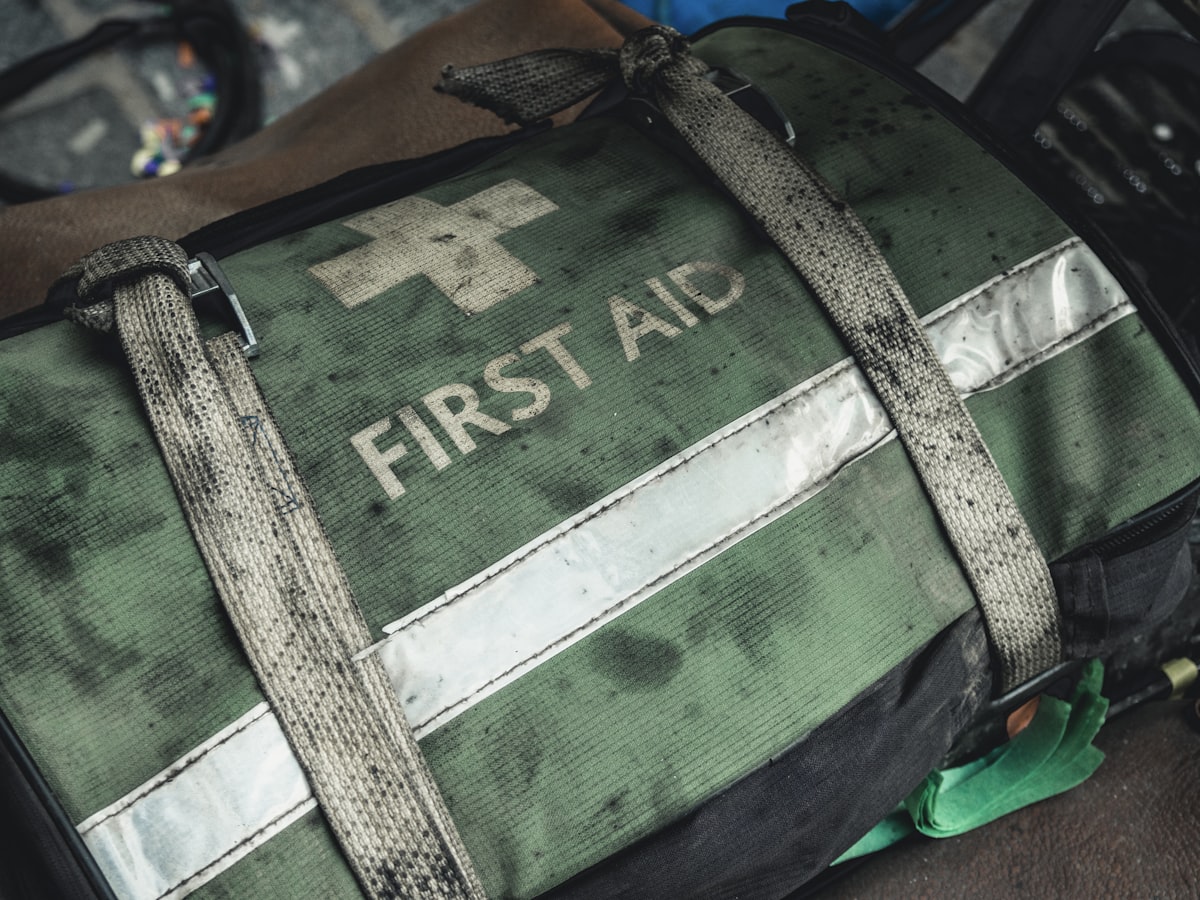
- Pack the ten essentials – water, food, first aid, headlamp, fire starter, navigation, sun protection, knife, shelter, extra clothes
- Check weather obsessively before and during
- Start with well-traveled trails before venturing off-grid
- Leave wildlife alone and store food properly
Solo hiking isn’t for everyone, and that’s fine. But if you’re curious and slightly nervous – that’s exactly how I felt before my first solo outing. The nervousness fades after about half a mile. What remains is something worth discovering.


Stay in the loop
Get the latest wildlife research and conservation news delivered to your inbox.