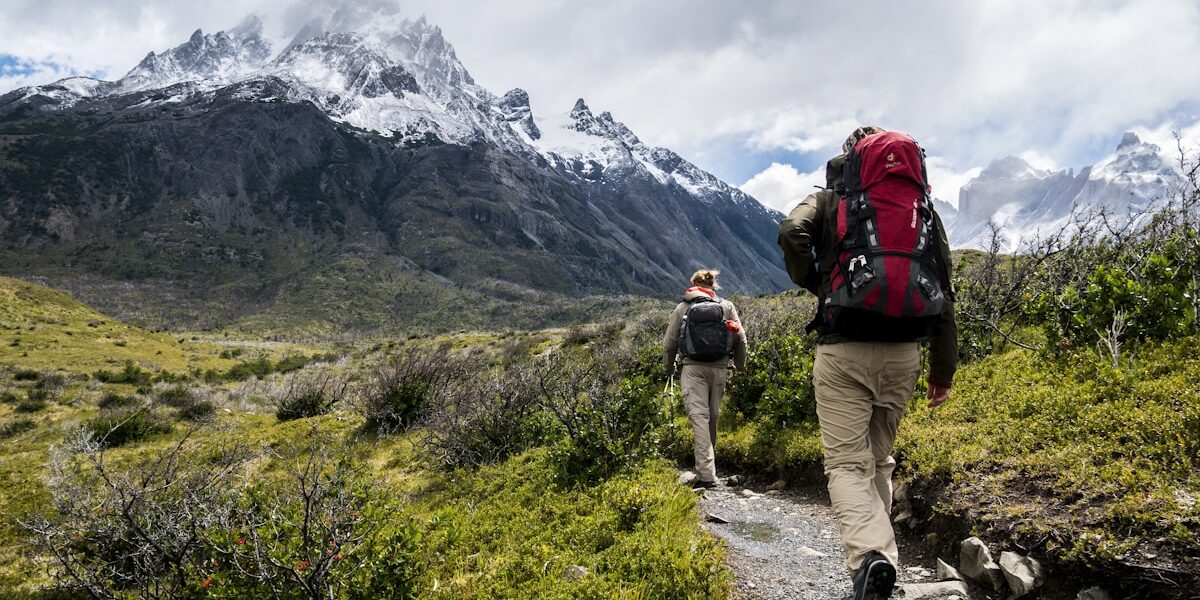
Hiking boots represent significant investments that reward proper care with years of reliable service. Regular cleaning and waterproofing maintains performance while extending boot lifespan far beyond neglected footwear. The effort required proves minimal compared to the cost of premature boot replacement.
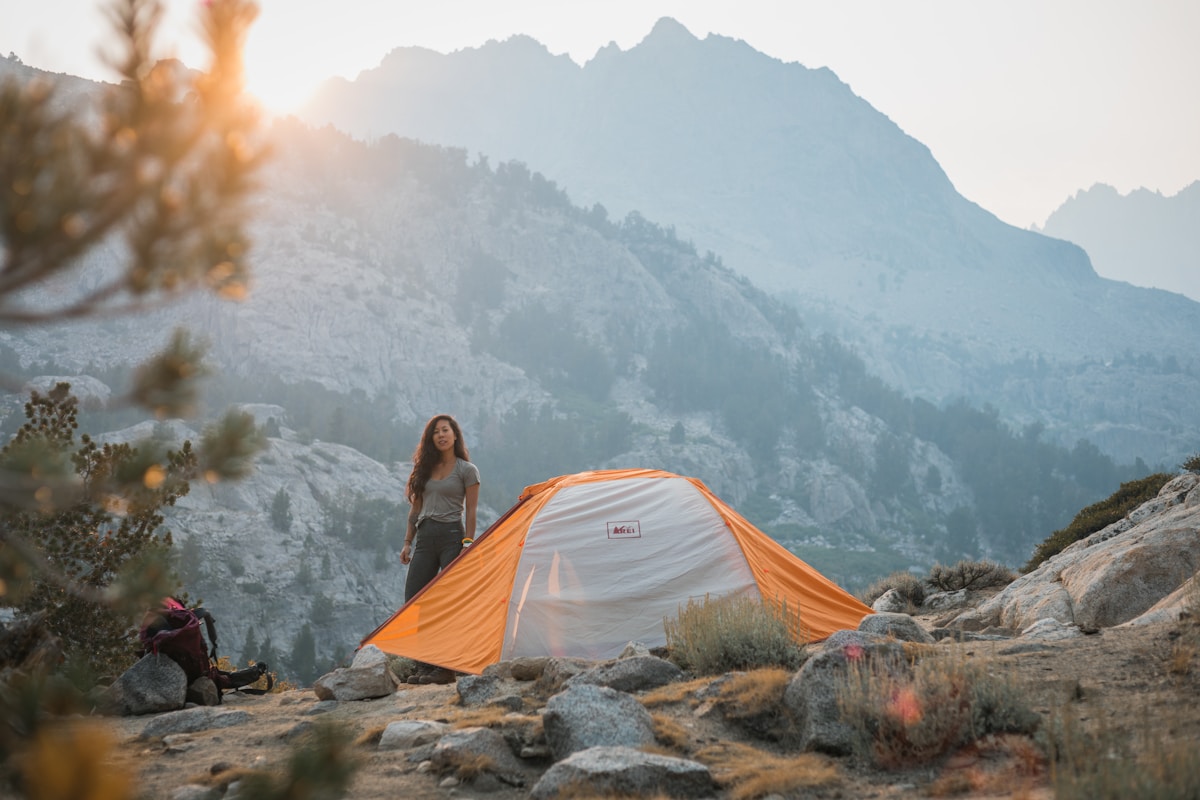
Post-Hike Cleaning
Remove dirt and debris after every hike before it dries and becomes harder to clean. Knock boots together to dislodge loose material. Use a stiff brush to remove caked mud from soles and uppers. A garden hose works well for heavily soiled boots.
Remove insoles and laces for thorough drying. Insoles trap moisture that causes odor and deterioration if left inside wet boots. Laces accumulate grime that transfers to hands during tying and can deteriorate if never cleaned.
Stuff boots with newspaper to absorb internal moisture and maintain shape during drying. Avoid direct heat from radiators, fires, or hair dryers that can damage leather and adhesives. Room temperature air circulation dries boots safely if given adequate time.
Deep Cleaning Process
Periodic deep cleaning removes accumulated grime that regular brushing misses. Use boot-specific cleaners matched to your boot material. Leather boots require different products than synthetic uppers. Using wrong cleaners can damage materials or reduce waterproofing effectiveness.
Scrub boots with soft brushes and appropriate cleaner, paying attention to seams and crevices where dirt accumulates. Rinse thoroughly to remove all cleaner residue. Residue left on boots can interfere with waterproofing treatments applied later.
Allow boots to dry completely before applying waterproofing. Treatments applied to damp boots may not penetrate or bond properly. Patience during drying ensures waterproofing products perform as intended.
Leather Boot Care
Full-grain leather boots require conditioning to maintain suppleness and prevent cracking. Leather conditioners replace natural oils lost through use and exposure. Apply conditioner sparingly because over-conditioning can soften leather excessively and reduce support.
Nubuck and suede leathers require specialized products that differ from smooth leather treatments. Using smooth leather products on nubuck can darken the finish permanently. Verify product compatibility before applying anything to textured leather surfaces.
Allow conditioner to absorb fully before applying waterproofing. Layering products without proper absorption reduces effectiveness of both treatments. Following product instructions optimizes results.
Waterproofing Treatments
Factory waterproofing diminishes with use and requires periodic renewal. DWR (durable water repellent) treatments restore water beading on fabric and leather surfaces. Choose spray or wax products based on boot materials and personal preference.
Spray-on treatments apply easily and work well on fabric uppers and combination boots. Multiple light coats outperform single heavy applications. Allow each coat to dry before adding another layer.
Wax treatments provide durable protection for full-grain leather boots. Work wax into leather with fingers or cloth, warming slightly to improve penetration. Wax changes leather appearance, typically darkening color, so test on inconspicuous areas first.
Seam sealing addresses the most vulnerable waterproofing points. Factory seams may not be fully sealed, and seam integrity deteriorates over time. Apply seam sealer to stitched areas for comprehensive water protection.
Storage Best Practices
Store boots in cool, dry locations away from direct sunlight. UV exposure degrades materials and adhesives over extended periods. Temperature extremes can crack leather and damage synthetic components.
Maintain boot shape during storage using boot trees or loosely stuffed newspaper. Collapsed boots develop creases and wrinkles that may not recover. Proper storage shape extends boot life and maintains fit.
Store boots with footbeds removed to allow continued air circulation. Musty odors develop when boots remain closed during storage. Periodic airing during extended storage periods prevents moisture accumulation.
When to Replace
Even well-maintained boots eventually wear beyond effective service. Midsole cushioning compresses permanently over time regardless of upper condition. Boots that feel less supportive than when new may have exhausted midsole life.
Outsole wear affects traction and stability on trails. Worn lugs that no longer grip terrain create safety hazards. Resoling options exist for quality boots worth the investment, extending service life significantly.
Upper deterioration including cracked leather, delaminating synthetic layers, or compromised waterproofing eventually warrants replacement. Continuing to use failing boots wastes waterproofing effort and compromises foot protection.


Stay in the loop
Get the latest wildlife research and conservation news delivered to your inbox.