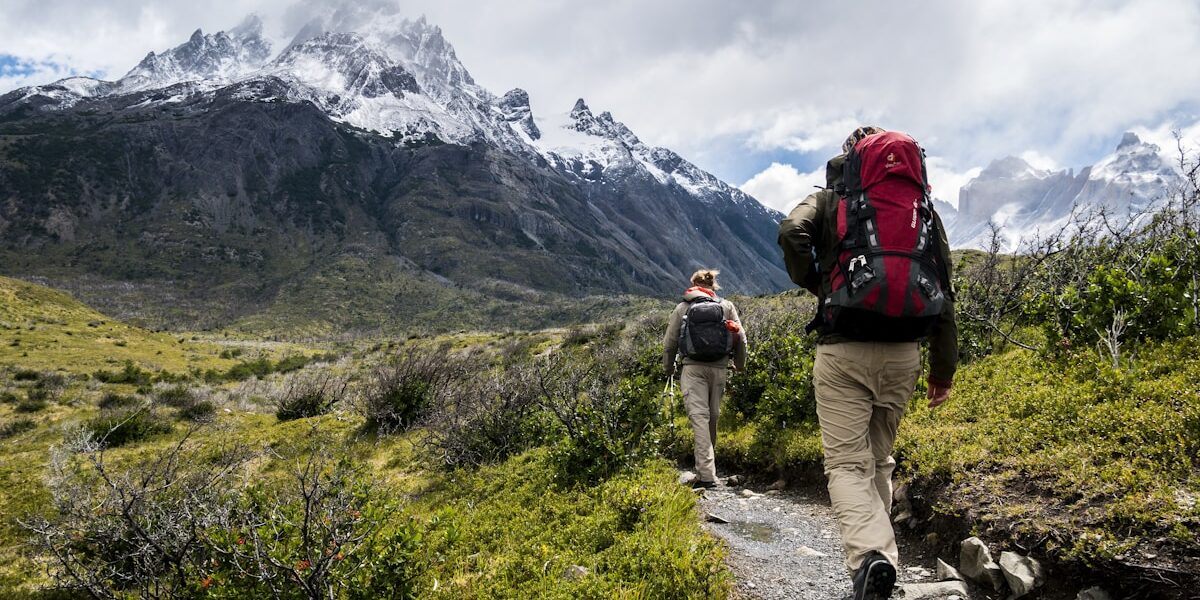
As someone who’s been dragging kids on trails since they could walk, I can tell you that hiking with children is equal parts joy and logistics. I learned everything about keeping young hikers happy through trial and error – mostly error, honestly. Probably should have led with this, but the key to successful family hiking isn’t picking the right trail; it’s understanding that kids experience trails completely differently than adults do.
Matching Trails to Ages
Toddlers and preschoolers can manage about one mile of actual walking on flat terrain – and that’s being optimistic. Plan trails with interesting features spaced closely together because small legs tire quickly and attention spans are shorter than you think. Paved nature trails and interpretive paths work well for the youngest hikers.
Elementary school kids typically handle two to four miles depending on elevation gain and their hiking experience. This age group does best with destination hikes that have clear goals – waterfalls, lakes, viewpoints. The promise of something exciting ahead motivates continued effort when legs get tired.
Teenagers can tackle adult-level distances and terrain but may resist family activities unless they feel some ownership. Let older kids navigate with maps, choose rest stops, or lead sections of trail. Giving them responsibility increases their investment in the experience.
Keeping Kids Engaged
Nature scavenger hunts transform hiking from “walking for no reason” into an interactive game. Create lists of items to find – specific leaf shapes, animal tracks, different colored rocks, particular birds. Laminated cards survive weather and get reused across trips.
Stop frequently, and stop before kids get tired rather than pushing until complaints start. Snacks, water, and rest every thirty minutes keeps energy and attitudes positive. Build break time into your schedule rather than treating stops as delays.
Let children set the pace and make discoveries. What seems like dawdling to adults – examining beetles, collecting interesting sticks, watching tiny flowers – represents genuine exploration and learning for kids. Adjust your expectations accordingly.
Safety for Young Hikers
Dress children in bright colors that stand out against natural backgrounds. If separation happens, brightly dressed kids are far easier to locate. Attach whistles to backpacks and teach them to stay in place and blow the whistle if they get separated.
Apply sunscreen and bug spray before hitting the trail, and reapply on longer hikes. Kids may not notice sunburn developing until the damage is done. Wide-brimmed hats and sun-protective clothing provide reliable protection without repeated applications.
Pack more water and snacks than you think you’ll need. Children dehydrate faster than adults and need frequent fuel. Favorite snacks motivate continued hiking better than “healthy” options they refuse to eat.
Gear That Works for Kids
Properly fitted footwear prevents blisters and provides stability on uneven terrain. Kids outgrow shoes quickly, making used hiking shoes or affordable brands sensible choices until foot growth stabilizes. Break in new shoes at home before trail use.
Small backpacks let children carry their own water, snacks, and trail treasures. The sense of responsibility and independence from carrying their own pack increases engagement. Keep pack weight under ten percent of body weight.
Managing Your Own Expectations
Reaching the destination matters far less than enjoying the journey. Turning back before the planned endpoint is perfectly fine when kids hit their limits. Forcing exhausted children to continue creates negative associations with hiking that persist for years.
Celebrate effort rather than achievement. Praising kids for trying hard and keeping positive attitudes builds intrinsic motivation. That’s what makes family hiking endearing to us who stick with it – watching children develop their own love of trails, even when the process tests your patience.


Stay in the loop
Get the latest wildlife research and conservation news delivered to your inbox.