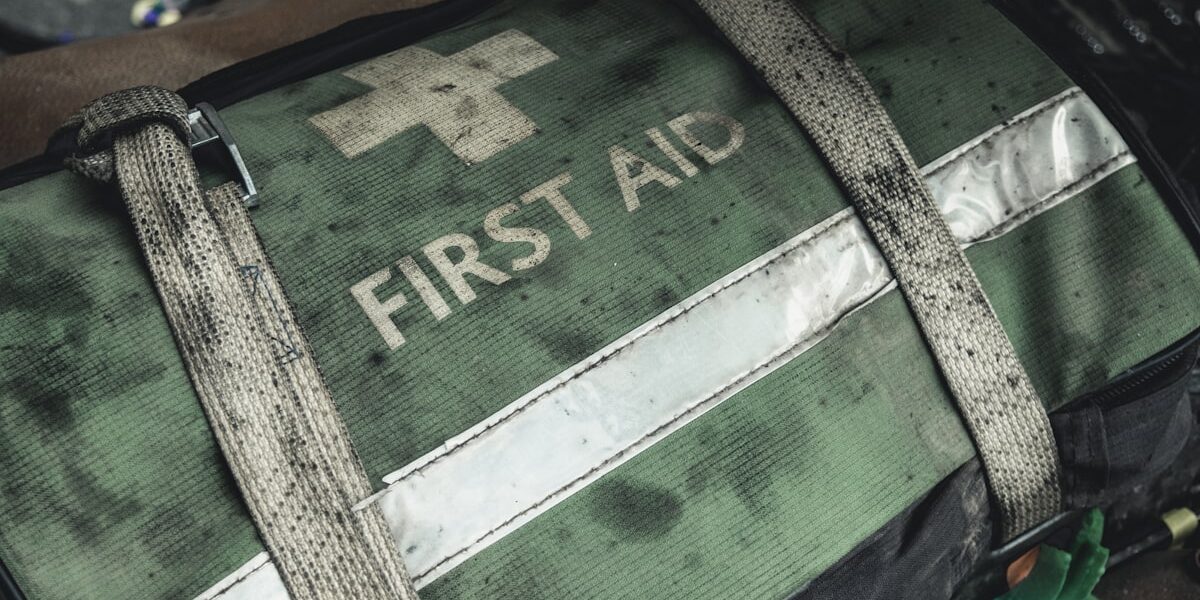
As someone who started hiking on coastal trails and worked up to fourteeners over several years, I can tell you that mountain hiking demands respect that lower elevation trails don’t require. I learned everything about altitude, weather, and exposure through experience – some of it harder than necessary. Probably should have led with this, but the hazards up high are real, and understanding them before you go makes the difference between a great summit day and a situation that could turn dangerous.
Altitude Is No Joke
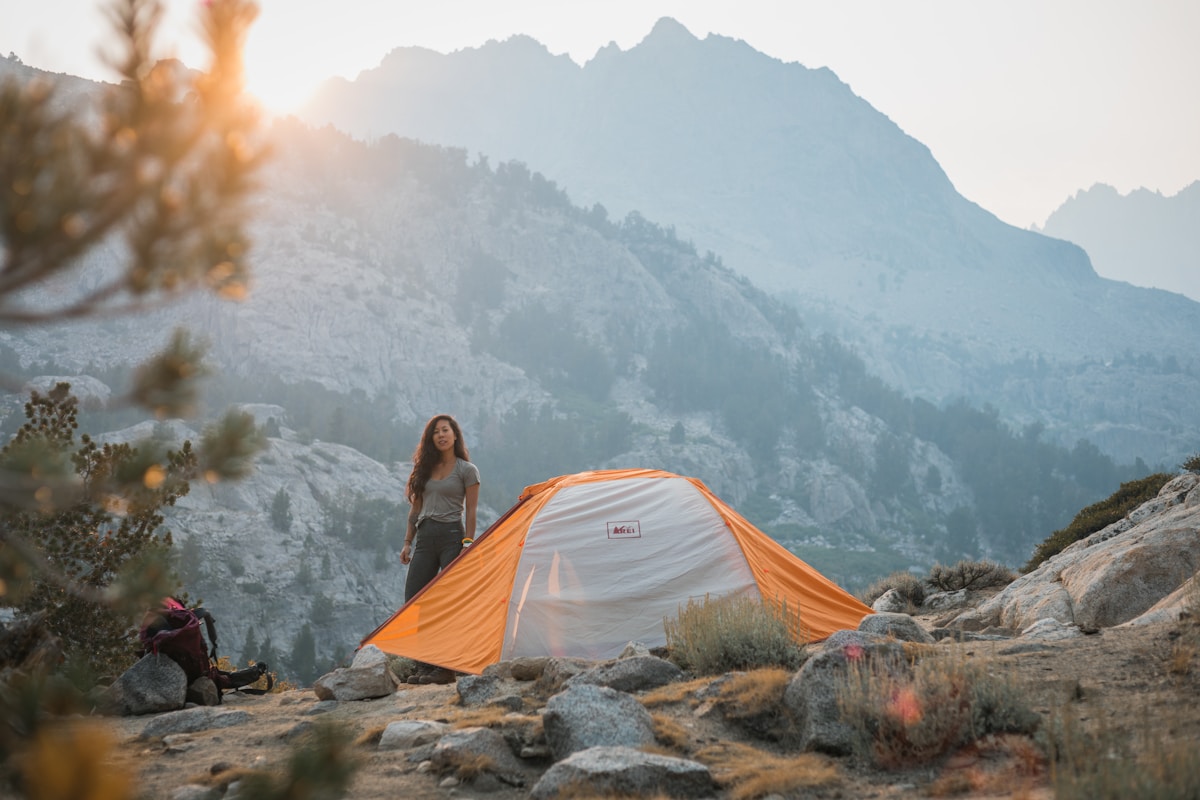
My first time above 12,000 feet, I felt like I was breathing through a straw. Altitude sickness doesn’t care about your fitness level – it affects people unpredictably, and previous success at elevation doesn’t guarantee anything. Symptoms typically kick in above eight thousand feet: headache, nausea, fatigue, and shortness of breath that seems way worse than your effort level would suggest.
Real acclimatization takes time that day hikers rarely have. When you drive up from sea level and start hiking the same day, expect to feel off even without clinical altitude sickness. Your body hasn’t had time to adjust to less oxygen, and pushing through often makes things worse rather than better.
If symptoms get worse – especially confusion, coordination problems, or severe headache – descend immediately. High altitude pulmonary edema (HAPE) and high altitude cerebral edema (HACE) are genuine medical emergencies. Descent is the only reliable treatment, and waiting around hoping it gets better can be fatal. I’ve turned around short of summits because someone in our group wasn’t responding well, and there’s no shame in that decision.
Mountain Weather Changes Fast
Valley weather and summit weather exist in different worlds. Clear skies at the trailhead mean almost nothing about what conditions will be like three thousand feet higher in a few hours. Mountain thunderstorms build predictably in summer – usually developing after noon – which is why experienced mountain hikers follow the “summit by noon” rule on exposed peaks.
Lightning on an exposed ridge is terrifying and legitimately dangerous. If you see a storm building and you’re anywhere near a summit or ridgeline, descend immediately. Don’t wait for the first thunder to make decisions. Get below treeline, avoid isolated trees, stay away from rock overhangs and bodies of water. If you’re truly stuck with no escape route, crouch on your pack or foam pad away from metal objects.
Temperature drops roughly three to five degrees Fahrenheit per thousand feet of elevation gain. A pleasant 70-degree trailhead can mean near-freezing conditions at the summit. I’ve seen people in shorts and cotton t-shirts at fourteener trailheads – they’re either turning back early or they’re going to have a bad time. Pack layers for conditions significantly colder than what you experience at the car.
Terrain Demands Attention
Steep terrain and loose rock create fall hazards that flat trails never present. Scree slopes and boulder fields require different footwork than maintained paths – shorter steps, careful weight transfer, constant awareness of what’s under your feet. Trekking poles aren’t just for old people; they provide stability and reduce strain on steep descents that can save your knees over a long mountain season.
Snow and ice persist year-round on many high peaks. A steep snowfield in July can look approachable but actually require ice axes and self-arrest skills to cross safely. Be honest about whether the terrain matches your equipment and experience. Turning around because of snow conditions isn’t failure – it’s recognizing reality.
Exposure to significant falls exists on routes that feel manageable going up but become intimidating facing downward. That scrambling section that seemed fine when you were reaching for holds above you? It’s a different experience looking down. Assess your comfort with exposure before committing to routes where one mistake has serious consequences.
Knowing When to Turn Back
Setting firm turnaround times prevents summit fever from overriding good judgment. The summit will still be there next month or next year. Weather windows close, daylight disappears, and your energy depletes regardless of how far you’ve come. Reaching the top matters far less than getting home safely.
Trust your instincts when something feels wrong. After enough mountain time, you develop intuition about conditions, your own limits, and situations that don’t quite add up. Ignoring those subtle warnings often precedes accidents that seem obvious in hindsight. When your gut says stop, listen.
Every mountain remains for future attempts. Turning back because of deteriorating weather, time constraints, or how you’re feeling demonstrates wisdom, not weakness. The people who get hurt are often the ones who couldn’t accept “not today” as an answer.
Preparation That Matters
Research your route thoroughly before attempting any serious mountain objective. Recent trip reports reveal current conditions that guidebooks can’t capture – snow levels change weekly, trails wash out, water sources dry up. A route that’s straightforward in August might be dangerous in early June.
The ten essentials exist for a reason, and mountains demand particular attention to emergency shelter, extra clothing, and navigation tools. Mountain emergencies often involve unexpected nights out waiting for weather to clear or rescue to arrive. The gear in your pack can transform a survivable situation into a tragedy, or vice versa.
Always inform someone of your detailed plans: specific route, expected return time, and who to call if you’re late. Mountain search and rescue responds faster when they know where to look and when concern is appropriate. That simple step – telling someone exactly where you’re going – could save your life if something goes wrong.


Stay in the loop
Get the latest wildlife research and conservation news delivered to your inbox.