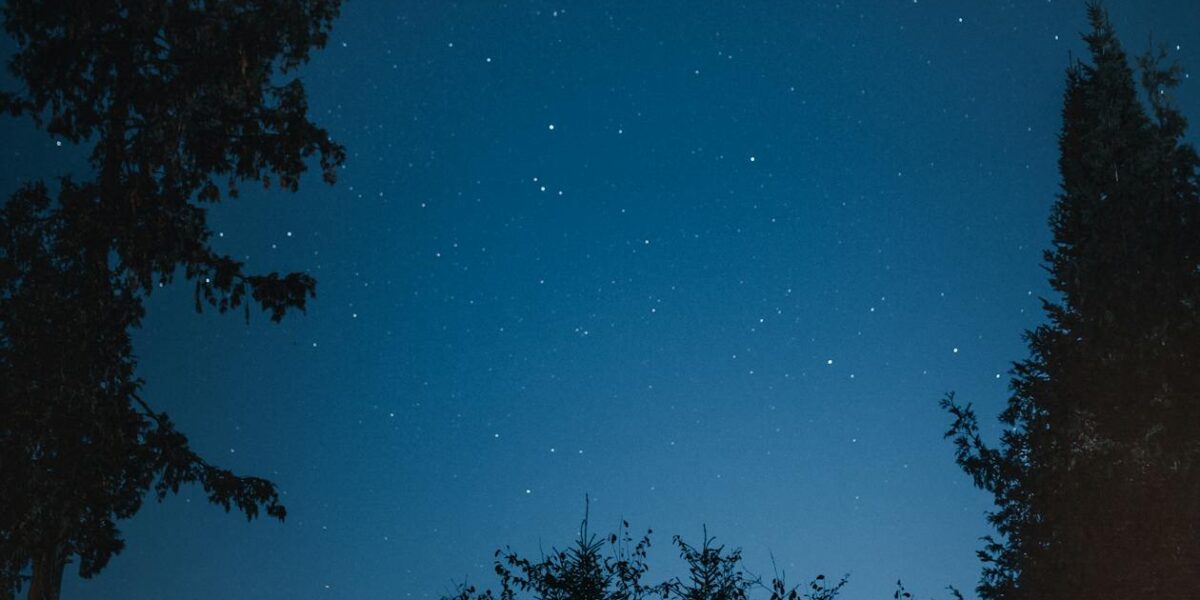
As someone who cut my overlanding teeth in the Pacific Northwest, I may be biased – but this corner of the country offers terrain diversity that’s hard to match anywhere else. I learned everything from basic forest road navigation to technical rock scrambling within a few hours of Seattle. Probably should have led with this, but from volcanic moonscapes and dripping old-growth forests to high desert and coastal routes, Washington and Oregon pack a lifetime of adventure into one region. Here’s what I’ve discovered over years of exploring these routes.
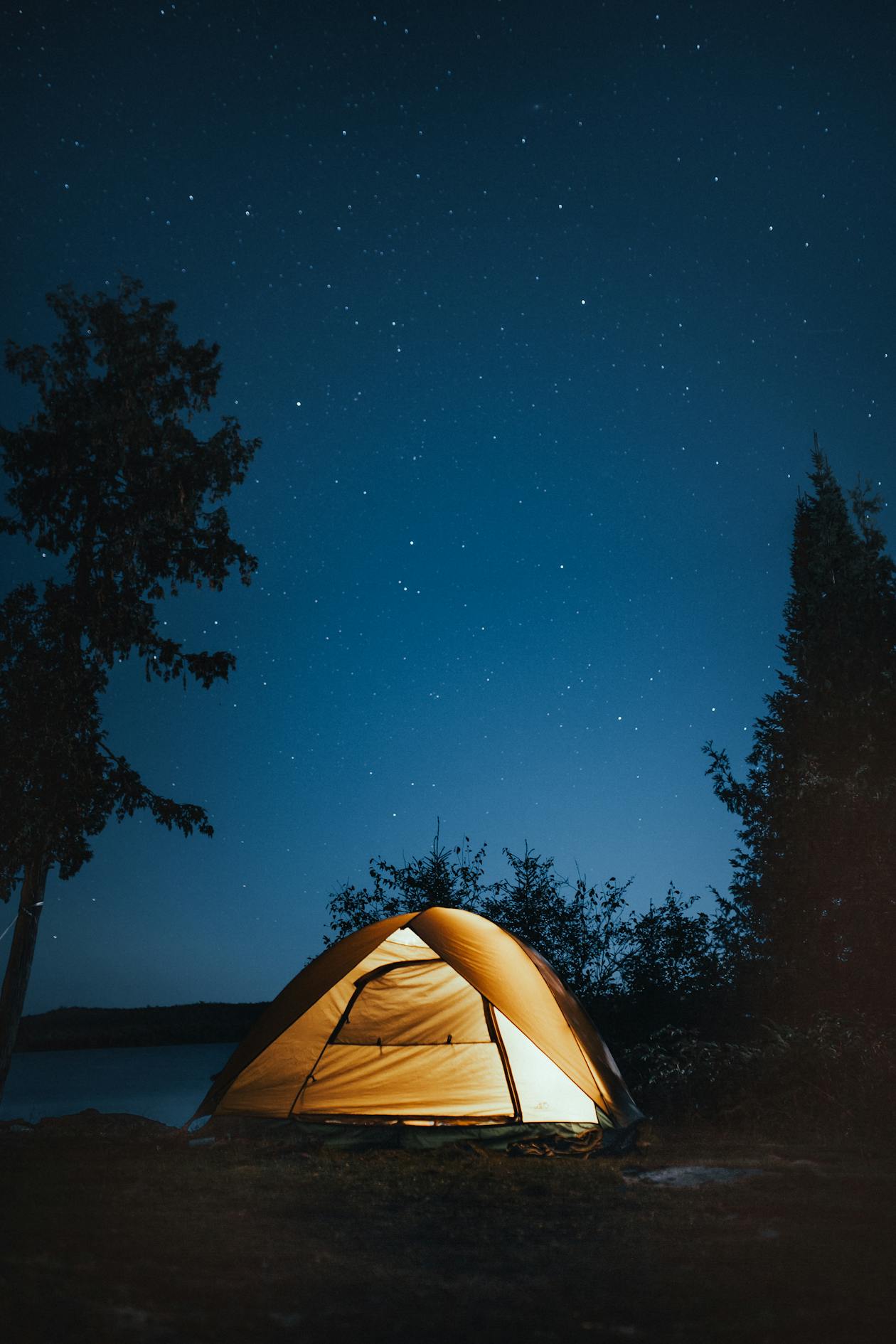
Washington State Routes
Naches Pass / Naches Trail
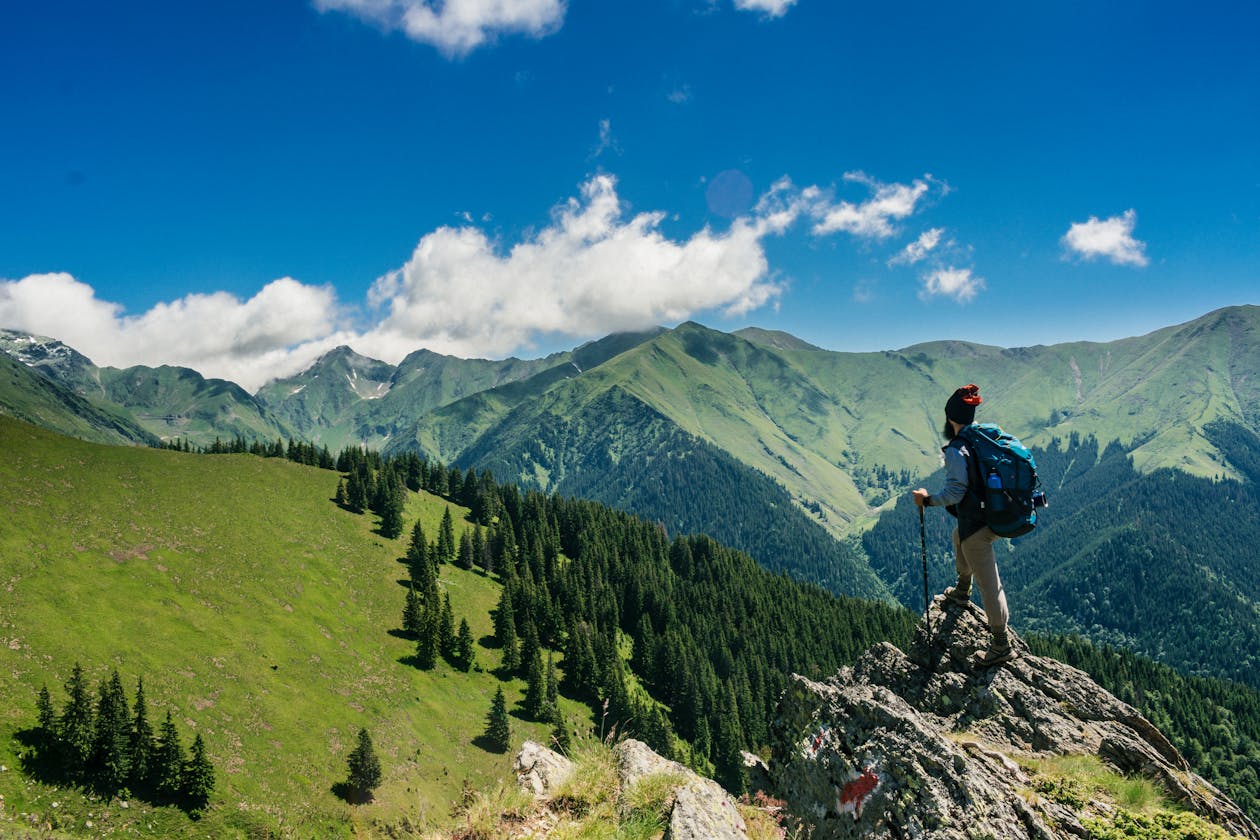
This historic route crossing the Cascades has become one of my go-to recommendations for intermediate overlanders. When the clouds break and Rainier appears through the trees, it’s hard to believe you’re just a couple hours from Seattle.
- Difficulty: Moderate – expect some rocky sections and potential water crossings
- Length: Roughly 25 miles end to end
- Time commitment: Full day minimum, better as an overnight
- Season: July through October before snow closes the pass
- Permits: Discover Pass required for Washington state lands
- Why it’s worth it: Rainier views, subalpine wildflower meadows, genuine history of the wagon route
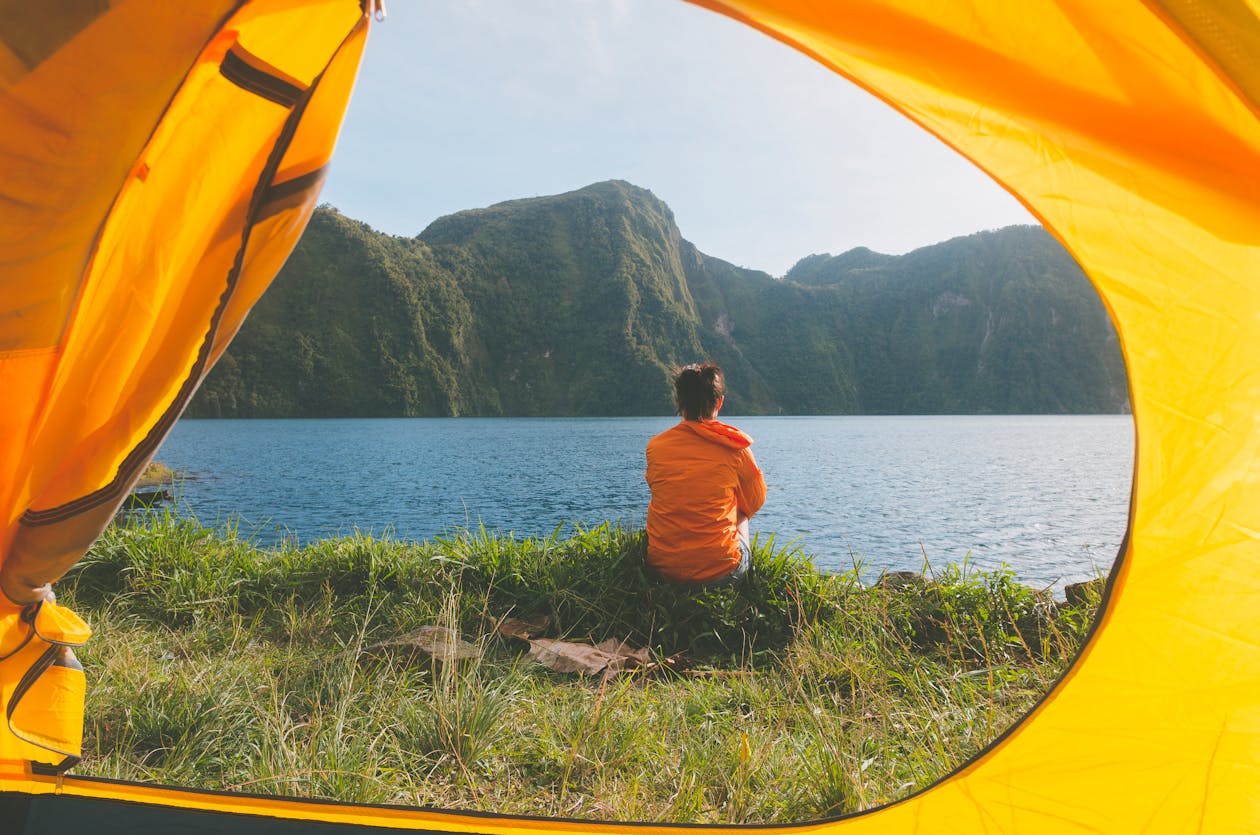
Tahuya State Forest
My personal training ground when I was learning. Located on the Kitsap Peninsula, Tahuya has miles of interconnected trails where you can build skills progressively without getting in over your head.
- Difficulty: Choose your adventure – easy maintained roads to legitimately challenging trails
- Length: Over 100 miles of trails to explore
- Time commitment: Day trips to multi-day camping
- Season: Year-round, though winter gets muddy
- Permits: Discover Pass
- Why it’s worth it: Terrain variety, reasonable distance from Seattle/Tacoma, excellent skill building
Olympic National Forest Roads
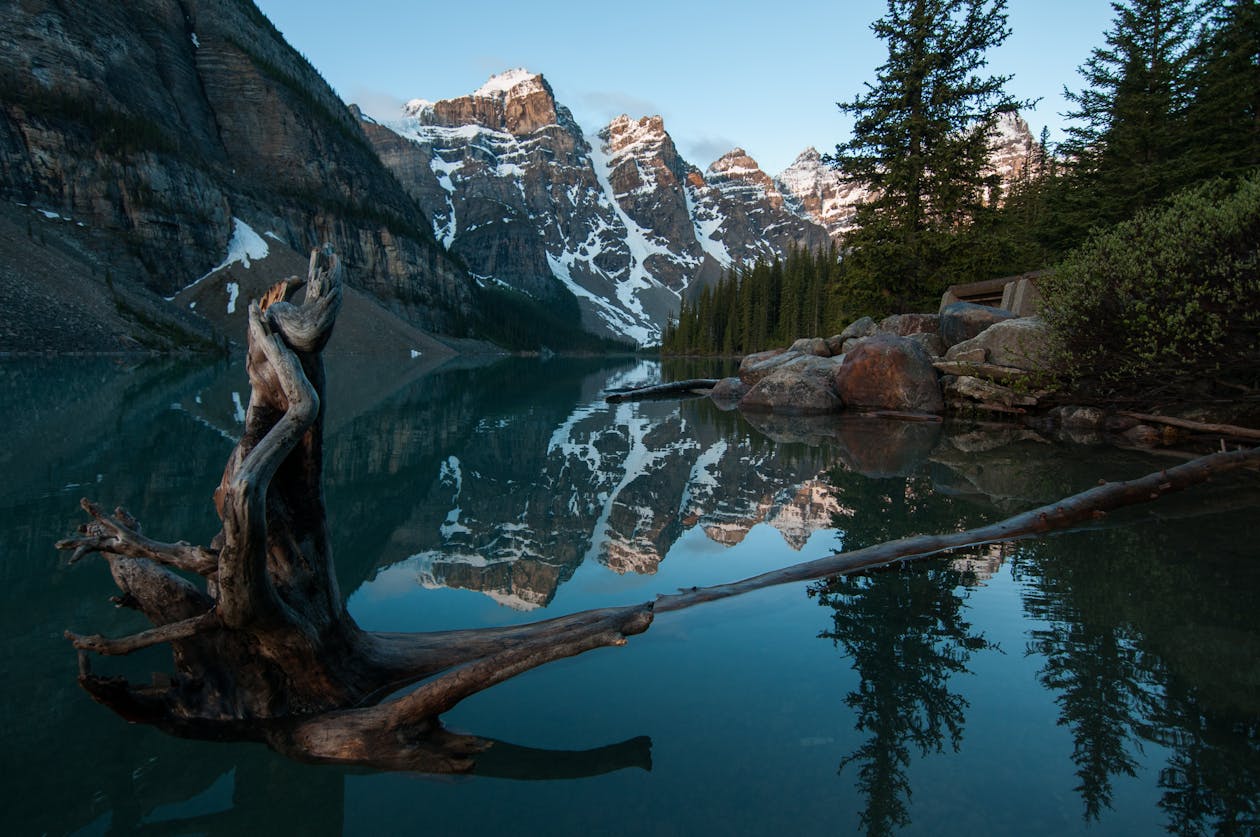
The Olympic Peninsula holds countless forest roads through some of the most dramatic temperate rainforest on the continent, with access to remote beaches and mountain viewpoints.
- Difficulty: Mostly easy to moderate depending on which drainage you explore
- Best areas: Wynoochee, Skokomish, and Dosewallips river valleys
- Season: May through October for most routes
- Camping: Dispersed camping widely available on National Forest land
- Why it’s worth it: Old-growth forests that make you feel small, river access everywhere, genuine solitude
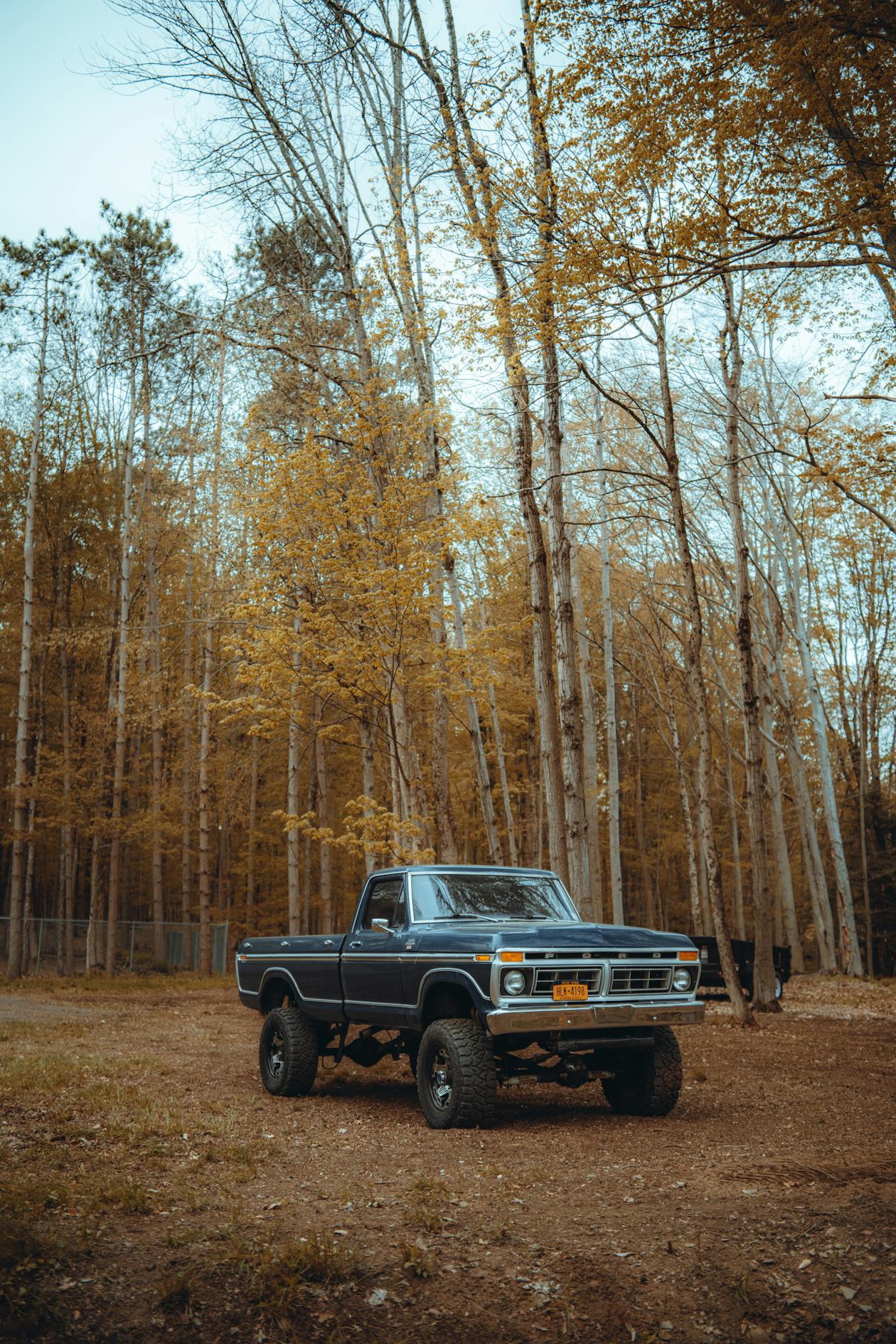
Cle Elum Area
Cross Snoqualmie Pass and the landscape changes completely. The Cle Elum area offers drier conditions than the perpetually soggy west side, extending your season in both directions.
- Popular routes: French Cabin Road, Teanaway area, Manastash Ridge
- Difficulty: Easy to moderate
- Season: May through November – longer than west side routes
- Camping: Dispersed sites along forest roads everywhere
- Why it’s worth it: Spring wildflowers, spectacular fall colors, dark skies for stargazing
Oregon Routes
Oregon Backcountry Discovery Route (OBDR)
At 1,230 miles from the California border to Washington, the OBDR showcases Oregon’s incredible variety. I’ve done sections over multiple trips and still haven’t completed the full route.
- Difficulty: Moderate overall with some genuinely challenging sections
- Time commitment: 7-14 days for the complete route
- Season: July through September for high elevation portions
- Terrain: High desert, mountain passes, forest roads, even coastal access
- Highlights: Hart Mountain, Steens Mountain, Cascade lakes country
Steens Mountain Loop
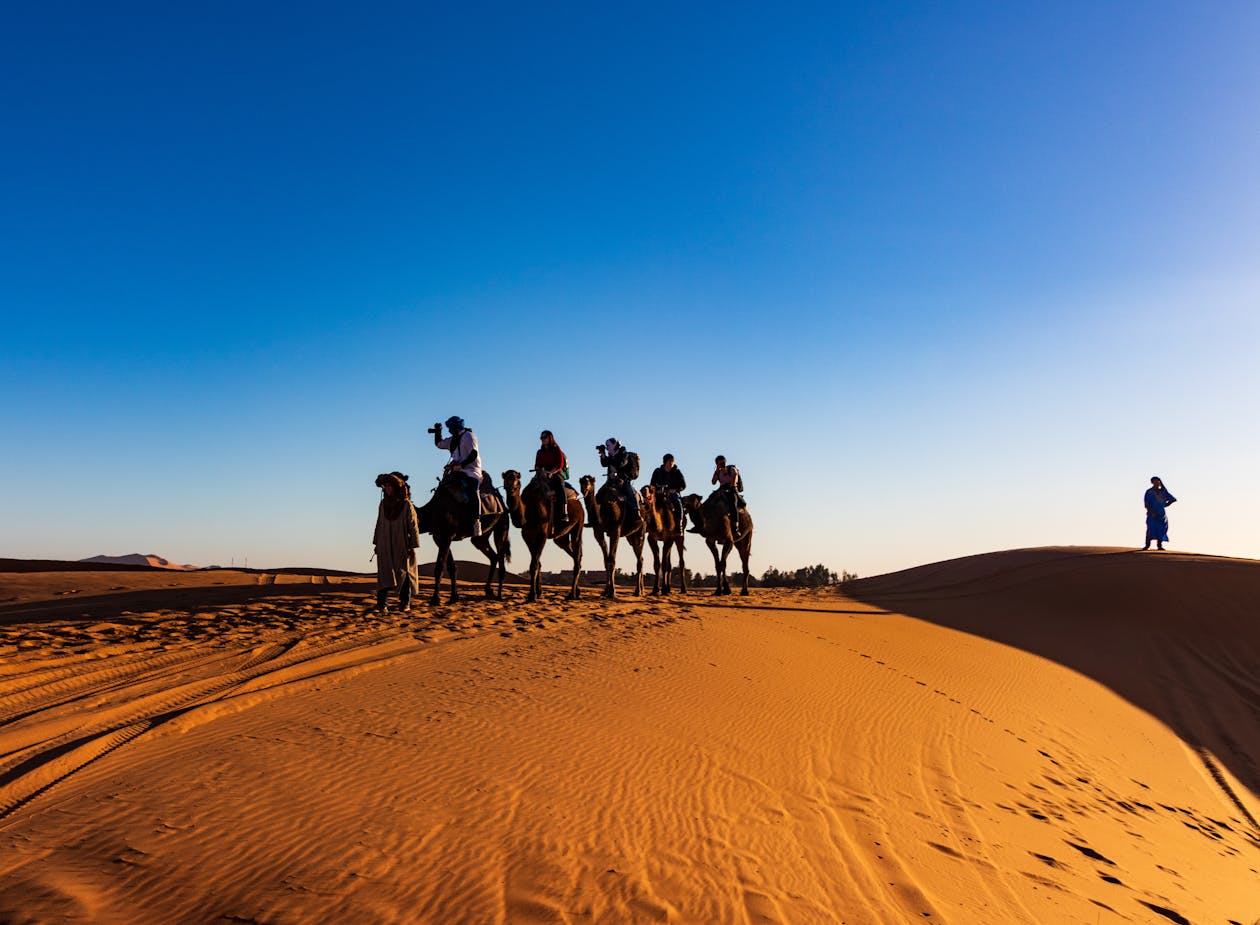
Steens is unlike anywhere else I’ve overlanded. A fault-block mountain rising nearly 10,000 feet directly from the Alvord Desert floor – the scale is hard to comprehend until you’re there.
- Difficulty: Easy to moderate on the main loop road
- Length: 66-mile loop
- Time commitment: Full day minimum, multi-day recommended
- Season: July through October before upper sections snow in
- Camping: Outstanding dispersed options throughout
- Why it’s worth the drive: Kiger Gorge viewpoint, wildflower displays, wild horses, hot springs in the Alvord

Hart Mountain National Antelope Refuge
Remote even by Oregon high desert standards. Free hot springs, pronghorn herds, and skies so dark you forget light pollution exists.
- Difficulty: Easy on graded roads, moderate in the backcountry
- Time commitment: 1-3 days
- Season: May through October
- Camping: Free at Hot Springs Campground – and yes, the natural hot springs are as good as they sound
- Why it’s worth the drive: Hot springs, wildlife everywhere, darkest skies you’ll find, petroglyphs
Central Oregon Cascades
The forest road networks around Bend, Sisters, and the Cascade lakes could keep you busy for years. I keep finding new routes every time I visit.
- Popular areas: Cascade Lakes Highway, Three Sisters Wilderness access roads, Newberry Volcanic Monument
- Difficulty: Easy to moderate
- Season: June through October
- Camping: Abundant dispersed camping throughout Deschutes National Forest
- Why it’s worth it: Volcanic geology everywhere, alpine lakes, mountain views that don’t quit

Regional Considerations
Weather and Seasons
- West side: Rain dominates from October through June – waterproof everything is mandatory
- East side: Drier but colder, which extends the usable season significantly
- Summer: Fire season can close areas with little notice – check restrictions before you go
- Winter: Low elevation routes stay accessible; higher passes close hard
Passes and Permits
- Washington: Discover Pass ($30/year) required for state lands
- Oregon: No pass needed for dispersed forest camping
- Both states: Northwest Forest Pass ($30/year) for many developed National Forest trailheads
Vehicle Prep for PNW Conditions
- Mud capability: Many roads become rutted messes after rain – tire choice matters
- Water crossings: Common in spring and after storms
- Recovery gear: Soft ground makes extraction tricky – pack appropriately
- Rust prevention: Wet conditions demand attention to your undercarriage
Multi-Day Route Ideas
Washington Cascade Loop (3-5 days)
- Seattle to Cle Elum via I-90
- French Cabin Road up to the Liberty area (camp)
- North through Teanaway, then west over Naches Pass (camp)
- South along forest roads to Packwood area (camp)
- Return via US-12 or extend south into Gifford Pinchot NF
Oregon High Desert Loop (5-7 days)
- Bend to Fort Rock/Christmas Valley area (camp)
- East to Hart Mountain, soak in the hot springs (camp 1-2 nights)
- South to Steens Mountain loop (camp)
- West through Malheur National Wildlife Refuge
- North to Burns, then back to Bend via US-20
Planning Resources
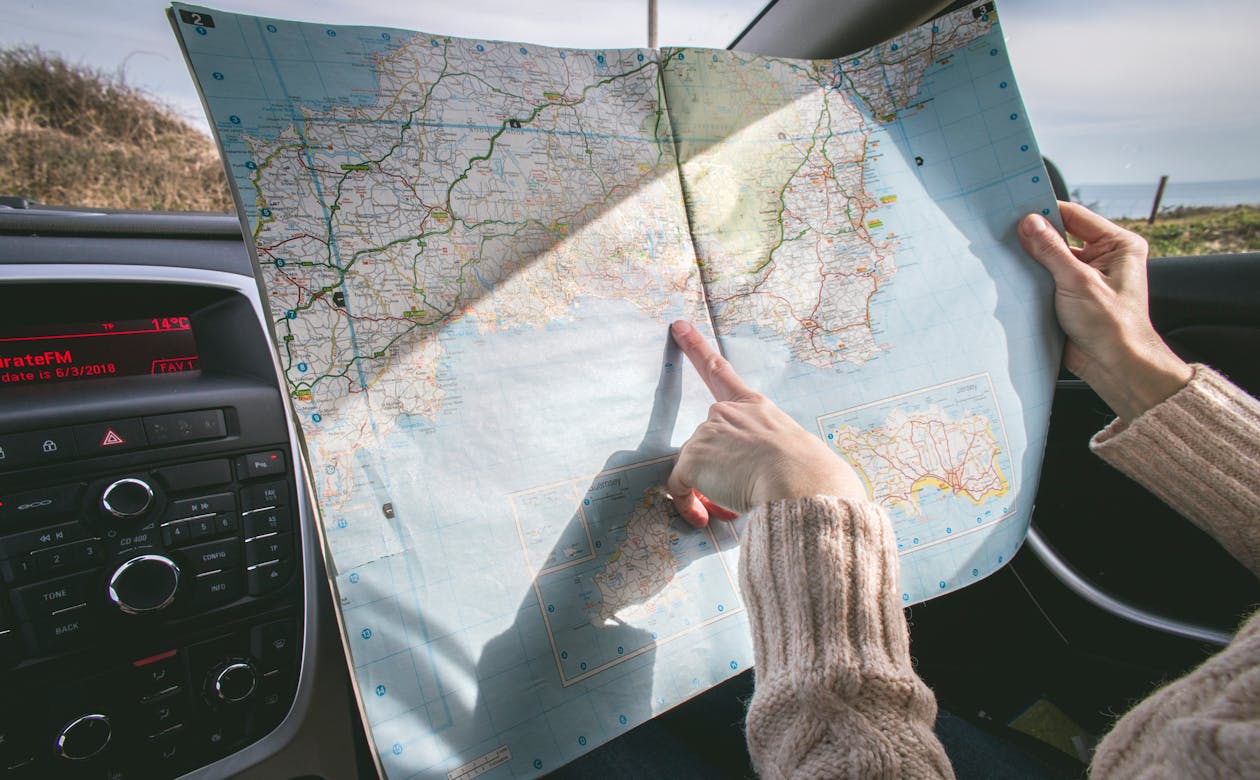
- Gaia GPS: Download USFS roads and topo layers for offline use
- USFS Motor Vehicle Use Maps: Free, authoritative info on what roads are open
- iOverlander: Community-sourced camp spot locations and reviews
- Weather: NOAA forecasts, especially for mountain routes
- Fire restrictions: InciWeb and local ranger district websites
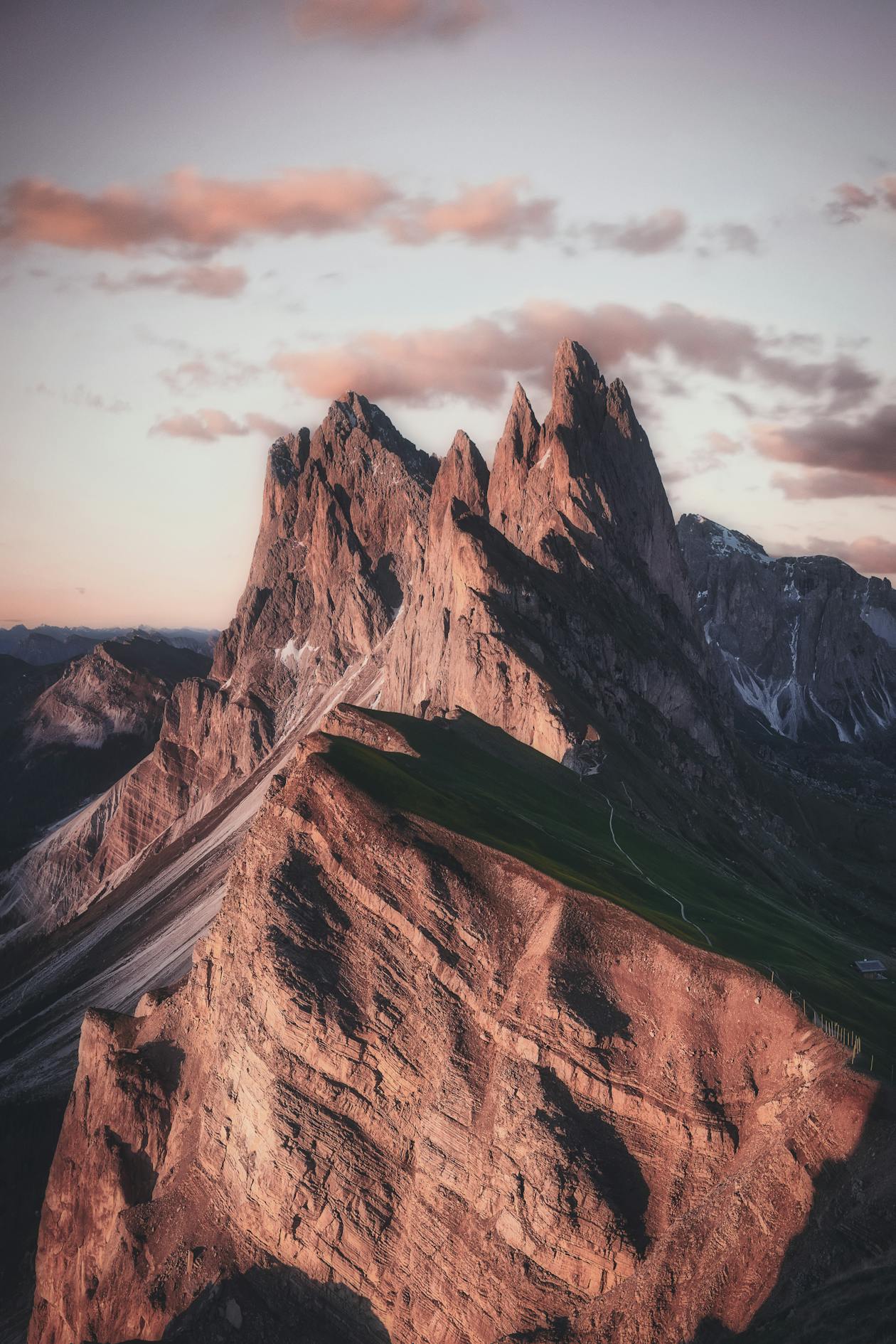
That’s what makes the PNW endearing to us overlanders – you can find terrain to match any skill level and timeline within a few hours’ drive. Start with easier routes close to population centers, build your skills, and gradually push into more remote destinations. I’ve been exploring this region for years and still haven’t run out of new places to discover.

Stay in the loop
Get the latest wildlife research and conservation news delivered to your inbox.