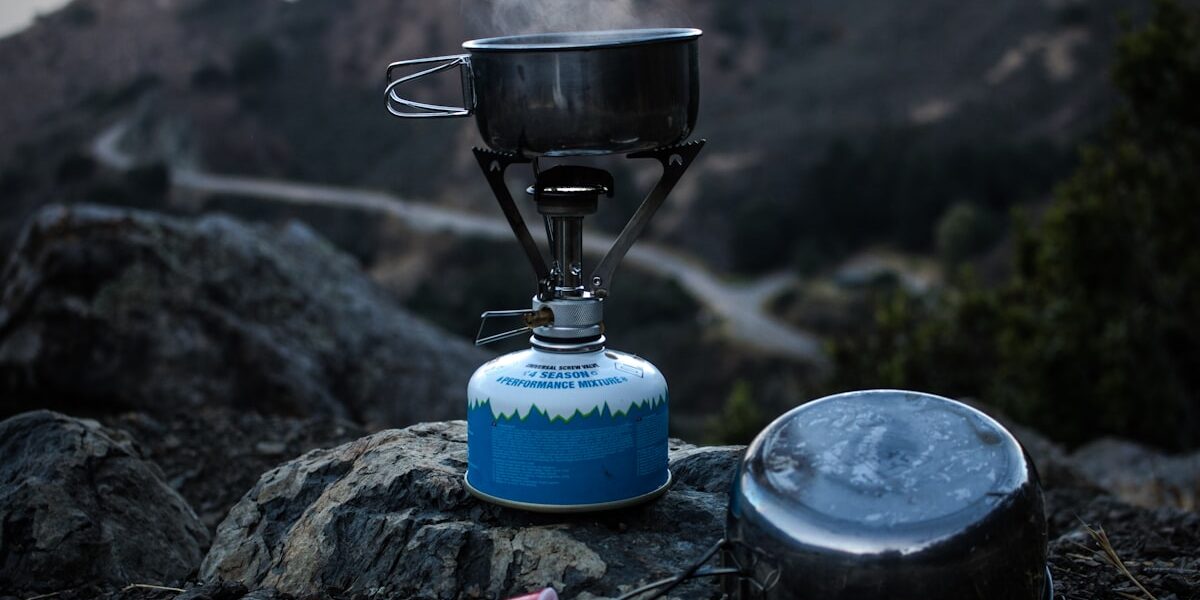
As someone who’s been hiking solo for over a decade, I can tell you that there’s nothing quite like the freedom of setting your own pace and choosing your own route without negotiating with anyone. I learned everything about solo hiking through experience – including some genuinely scary moments that taught me what I should have prepared for better. Probably should have led with this, but hiking alone requires additional preparation and self-reliance because when things go wrong, you’re the only help available.
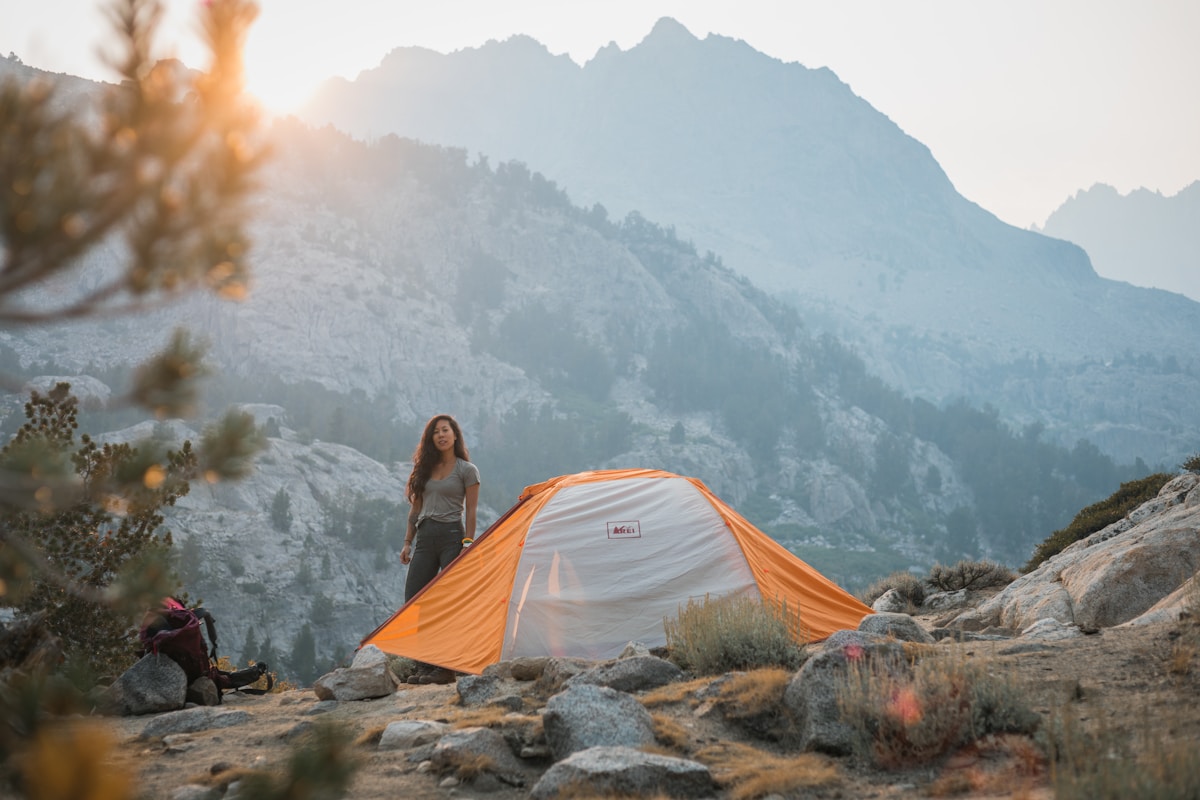
Planning and Telling Someone
Leave detailed trip plans with a trusted contact before every solo hike. Include your intended route, planned camps, expected return time, and where you’re parking. Establish check-in times and clear instructions for when to call search and rescue if you don’t make contact.
Satellite communicators like the Garmin inReach enable two-way messaging and SOS capability where cell service doesn’t exist. The subscription cost represents worthwhile insurance for solo backcountry travel. Mine has never sent an SOS, but knowing I could has prevented several panic moments.
Choosing Routes Wisely
Stick to well-maintained, well-marked trails for solo hiking, especially while building experience. Save cross-country routes and obscure trails for group trips where navigation errors and injuries have less severe consequences. Popular trails mean higher likelihood of encountering other hikers who could help in emergencies.
Research water sources carefully because running out of water alone creates far more serious situations than with partners who might share supplies. Identify bailout options along your route where you could exit early if injuries or conditions require it.
Physical Readiness
Build fitness gradually before attempting challenging solo objectives. Your physical limits become more consequential when you can’t rely on partners to carry gear, provide moral support, or go for help if you’re injured. Conservative pace and distance planning prevents the exhaustion that leads to poor decisions.
Know your personal limits honestly. Ego-driven objective selection causes many backcountry incidents. The mountain will be there next time. Turning back from a solo objective demonstrates wisdom, not weakness.
Wilderness First Aid Skills
Wilderness first aid training becomes essential for solo hikers who can’t rely on companions for emergency care. Take a Wilderness First Responder or WFA course to learn self-treatment for common backcountry injuries. Practice splinting, wound care, and self-evacuation scenarios before you need them.
Carry a comprehensive first aid kit appropriate for treating yourself. Include SAM splints, wound closure strips, and any prescription medications you might need. Know how to use everything in your kit – gear you don’t know how to use is just dead weight.
Mental Preparation
Extended solo time in wilderness affects people differently. Some hikers find profound peace in solitude while others struggle with loneliness and anxiety. Start with short solo trips to understand your own responses before committing to multi-day solo adventures.
Fear management matters for solo hikers dealing with nighttime anxiety, wildlife sounds, and unfamiliar situations. Rational assessment of actual versus perceived risks reduces unnecessary stress. Most backcountry dangers prove far less dramatic than imagination suggests when you’re lying alone in your tent at 2 AM.
Camp Security
Select campsites thoughtfully when hiking alone. Avoid camping directly on trails where unexpected visitors might arrive at night. Consider visibility from trails and the impression your camp makes on anyone passing by. Trust your instincts if a location feels uncomfortable.
Food storage remains critical for solo hikers because wildlife encounters escalate quickly without companions to help manage situations. Follow bear country protocols rigorously. Never store food in your tent regardless of how remote the location seems.
What Solo Hiking Offers
That’s what makes solo hiking worth the additional preparation – experiences unavailable to groups. Wildlife encounters happen more frequently for quiet solo hikers. Personal pace eliminates compromises required for group travel. Self-reliance builds confidence that transfers to all aspects of life. The deepest wilderness experiences often occur in solitude.



Stay in the loop
Get the latest wildlife research and conservation news delivered to your inbox.