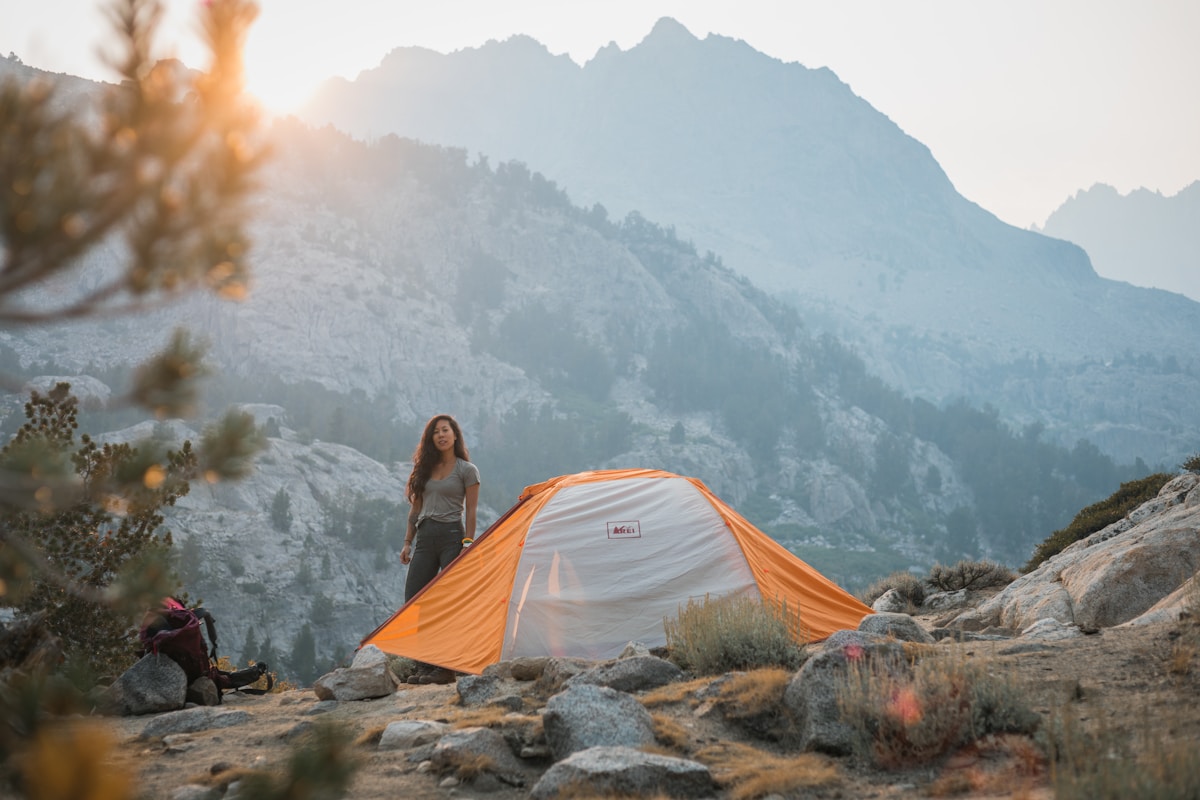
I have spent more time than I would like to admit thinking about tent selection for camping. But that is kind of the point — I obsess over this stuff so you do not have to.
Tent Categories
Three-season tents handle spring, summer, and fall conditions in most hiking destinations. These tents feature mesh panels for ventilation and rainflies that protect against precipitation while allowing moisture from breathing to escape. Three-season designs prioritize weight savings over extreme weather performance.
Four-season tents add structural strength and snow-shedding capabilities for winter camping and mountaineering. Heavier fabrics, additional poles, and reduced ventilation create warmer, sturdier shelters. Most backpackers never need four-season capability unless pursuing winter camping or high-altitude objectives.
Ultralight shelters sacrifice some weather protection for dramatic weight savings. Single-wall designs eliminate separate rainflies. Trekking pole supported shelters eliminate tent poles entirely. These minimalist options work well in fair weather but provide limited protection during severe storms.
Capacity and Sizing
Tent capacity ratings assume intimate sleeping arrangements. A two-person tent provides tight quarters for two adults and their gear. Consider sizing up one person for comfortable sleeping, especially on longer trips where tent time increases during bad weather days.
Floor dimensions determine sleeping comfort. Look for minimum fifty-four inch width for two people and seventy-two inch minimum for couples who prefer more space. Peak height affects livability for sitting up and changing clothes, with forty-two inches representing comfortable seated height for most adults.
I wish someone had spelled this out for me when I was starting out.
Weight Considerations
Trail weight includes the tent body, rainfly, poles, and stakes. Packed weight adds the stuff sack and any included footprint or repair kit. Compare trail weights when evaluating tent options because packed weight varies based on included accessories.
For solo backpackers, tents under two pounds provide excellent lightweight options. Two-person tents under three pounds offer good weight-to-space ratios. Heavier tents often provide better durability and weather protection, so consider your priorities when making weight versus performance tradeoffs.
Materials and Construction
Silnylon and silpoly fabrics dominate ultralight tent construction. These silicone-coated nylon and polyester materials resist water penetration while remaining lightweight. Silnylon stretches when wet, requiring guy line adjustment during rain. Silpoly maintains stable dimensions regardless of moisture.
Dyneema Composite Fabric represents the pinnacle of ultralight tent materials. This laminated material weighs significantly less than traditional fabrics while providing excellent strength. That said, Dyneema tents cost considerably more than conventional alternatives.
Pole materials include aluminum and carbon fiber. Aluminum poles provide good durability at moderate weight. Carbon fiber saves weight but costs more and can shatter under extreme loads rather than bending like aluminum.
Setup Styles
Freestanding tents maintain their shape without stakes, making setup easy on rocky or sandy surfaces where stakes cannot penetrate. These tents can be moved after setup and shaken out to remove debris. That said, freestanding designs require more poles, adding weight.
Semi-freestanding tents need minimal staking, typically requiring only one or two stakes at the head and foot while the body stands unsupported. This design saves weight while maintaining reasonable setup convenience.
Non-freestanding tents require full staking and often guy lines for proper pitch. These include most trekking pole shelters and ultralight designs. Setup requires more skill and appropriate ground conditions but saves significant weight.
Features to Consider
Vestibules provide covered storage for gear and boots outside the sleeping area. Dual vestibules work well for couples, providing each person their own entry point. Single vestibule designs save weight but require crawling over your partner for middle-of-night exits.
Interior pockets organize small items like headlamps, phones, and glasses. Gear lofts provide overhead storage that keeps items accessible. Footprints protect tent floors from abrasion and punctures, extending tent lifespan on rough terrain.
So that is my honest take on tent selection for camping. Take what resonates with you, leave the rest, and do not overthink it. The trail teaches you more than any article ever could.

Stay in the loop
Get the latest wildlife research and conservation news delivered to your inbox.