
First Aid on the Trail: What I Learned the Hard Way
First aid on the hiking trail has gotten complicated with all the conflicting advice flying around. As someone who once tried to treat a nasty blister with duct tape (spoiler: don’t), I learned everything there is to know about wilderness first aid the hard way. Today, I’ll share it all with you.
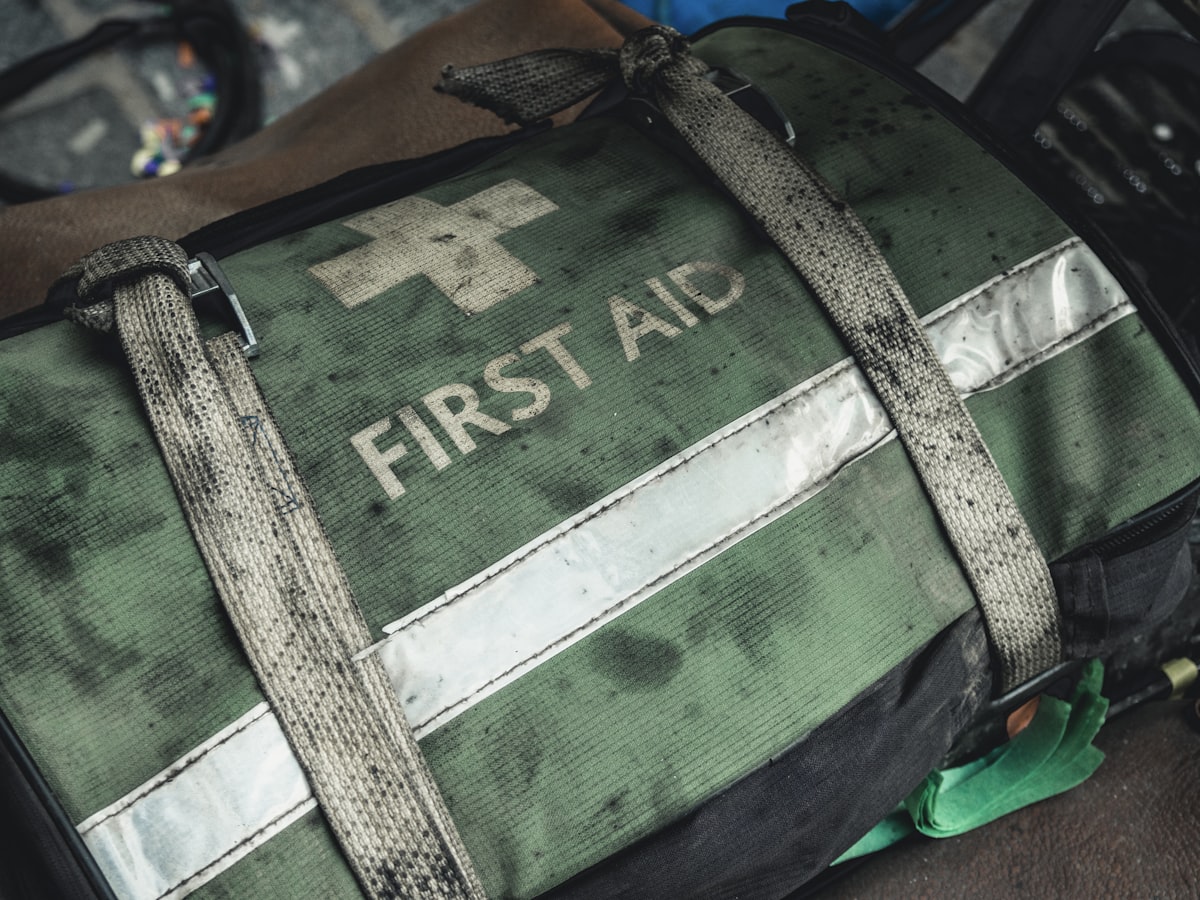
Your First Aid Kit: Skip the Fancy Stuff
Probably should have led with this section, honestly. I’m apparently one of those people who overpacks medical supplies, and a minimalist approach works better than showing up with a pharmacy in your backpack.
Here’s what actually gets used on the trail:
- Adhesive bandages in a few sizes (the variety pack from any drugstore works fine)
- Sterile gauze pads and tape for when Band-Aids just aren’t cutting it
- Moleskin – this stuff is magic for blisters, don’t leave without it
- Antibiotic ointment and antiseptic wipes
- Tweezers (splinters happen more than you’d think)
- Small scissors and safety pins
- Hydrocortisone cream for those mystery rashes
- Ibuprofen or whatever pain reliever you normally take
- Any medications you personally need
- Emergency blanket – weighs nothing, potentially lifesaving
- Whistle attached to your pack
Dealing with Cuts and Scrapes
That’s what makes trail medicine endearing to us hikers – it’s really just common sense dressed up in official terms. Cuts happen. Clean them with water, swab on some antibiotic goop, slap a bandage on, and you’re back to hiking.
The trick is keeping that wound clean over the following days. I’ve seen small cuts turn ugly because people forgot to swap out the bandage. Take thirty seconds each morning to check any wounds you picked up.
The Blister Situation
Here’s where I get passionate. Blisters ruin hikes. Full stop. The key is catching them before they fully form.
When you feel a hot spot – that slightly uncomfortable friction that says “blister incoming” – stop immediately. Pull off your shoe and sock, dry the area, and apply moleskin or even regular athletic tape. Do this and you’ll prevent a week of limping around.
Already have a blister? Leave it alone if you can. The fluid-filled skin is actually protecting the raw tissue underneath. If the thing is huge and making walking impossible, sterilize a needle, poke a tiny hole near the edge, squeeze out the fluid, keep the skin intact, and bandage it well. Not ideal, but sometimes necessary.
Sprains and Twisted Ankles
Twisted my ankle pretty badly on a rocky descent in the Cascades a few years back. Learned that the old RICE approach still works: Rest, Ice (or whatever cold thing you have), Compression, Elevation.
The hardest part? Actually stopping. My brain kept saying “it’s only two more miles to the trailhead.” But walking on a sprain makes everything worse. Sit down, wrap it with an elastic bandage or even a spare t-shirt, elevate it above heart level, and wait it out.
Bug Bites and Stings
Got stung by a wasp last summer while grabbing a granola bar from my pack. Not my finest moment. If it’s a bee sting, scrape the stinger out sideways with your fingernail or a credit card – don’t pinch it, you’ll squeeze more venom in.
Clean the area, apply a cold pack if you have one, and use that hydrocortisone cream. Most stings are just uncomfortable for a day or two.
Watch for serious reactions though – face swelling, difficulty breathing, dizziness. That’s when you need emergency help fast. If you know you’re allergic, carry an EpiPen and make sure your hiking partners know where it is.
Snake Encounters
Never been bitten myself, but I’ve hiked with people who have. The biggest thing? Stay calm. Panicking speeds up your heart rate and spreads venom faster.
Keep the bitten area still and roughly at heart level. Remove any jewelry near the bite in case of swelling. Don’t ice it, don’t try to suck out venom, don’t apply a tourniquet – all of those old-school remedies actually make things worse.
Get to medical help as quickly as safely possible. Try to remember what the snake looked like so doctors know what they’re treating.
Burns from Camp Cooking
Campfire burns are more common than people admit. Grabbed a pot handle without thinking, and suddenly you’ve got a lesson in first aid.
Cool water for at least ten minutes. Not ice – that can damage the tissue further. Cover with a sterile dressing and leave any blisters alone. Serious burns need real medical attention, so know when to cut the trip short.
When You Get Too Cold
Hypothermia sneaks up on you. The early signs are subtle – shivering, confusion, slurred words, feeling exhausted for no clear reason. By the time you notice, you might already be in trouble.
Get the person to shelter, swap wet clothes for dry ones, wrap them in everything warm you have, and offer warm drinks if they’re conscious enough to swallow safely. This is one of those situations where calling for rescue is often the right call.
Heat Exhaustion Is Sneaky Too
I’m apparently one of those people who runs hot, and heat exhaustion has caught me off guard more than once. Heavy sweating, nausea, feeling weak – these aren’t just signs you’re tired.
Move to shade immediately. Lie down with feet elevated. Drink water with electrolytes if you have them. Put wet cloths on your neck, forehead, wrists. And be honest about whether you can continue or need to bail on the hike.
Staying Hydrated
Dehydration is the silent hike-killer. By the time you feel really thirsty, you’re already behind. Drink regularly even when you don’t feel parched. Watch your urine color – clear to light yellow is good, dark yellow means drink more.
Severe dehydration – with dizziness, confusion, rapid heartbeat – needs medical attention. Electrolyte tablets or drinks can help restore balance faster than plain water.
That Whistle Matters
Three short blasts is the universal distress signal. If you’re lost or hurt and need help, blow three times, pause, repeat. Keep that whistle somewhere you can reach it without digging through your pack.
CPR Basics Everyone Should Know
Cardiac emergencies can happen anywhere, including miles from the trailhead. If someone collapses and isn’t breathing, call for help (or send someone running for cell service), then start chest compressions.
Push hard and fast in the center of the chest – about two inches deep, 100-120 compressions per minute. That’s roughly the beat of “Stayin’ Alive” by the Bee Gees, which feels darkly appropriate. Keep going until help arrives.
Taking a wilderness first aid course is worth the investment. But even without formal training, these basics can help you handle the unexpected on the trail. Stay calm, use common sense, and don’t forget that first aid kit.

Stay in the loop
Get the latest wildlife research and conservation news delivered to your inbox.