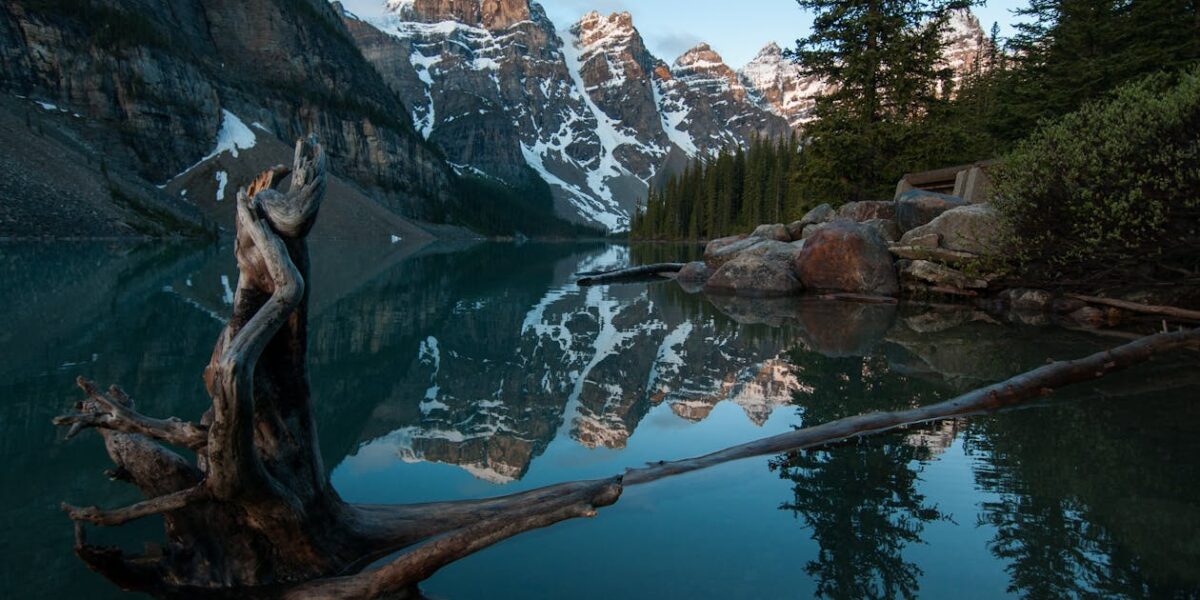
As someone who started overlanding in temperate California, my first winter trip to the Rockies was a wake-up call. I learned everything the hard way – from frozen washer fluid to a dead battery at 6 AM in single-digit temps. Probably should have led with this, but winter overlanding is a completely different beast than fair-weather adventures. This guide covers what I wish I’d known before that first cold-weather trip.
Why Bother with Winter Overlanding?
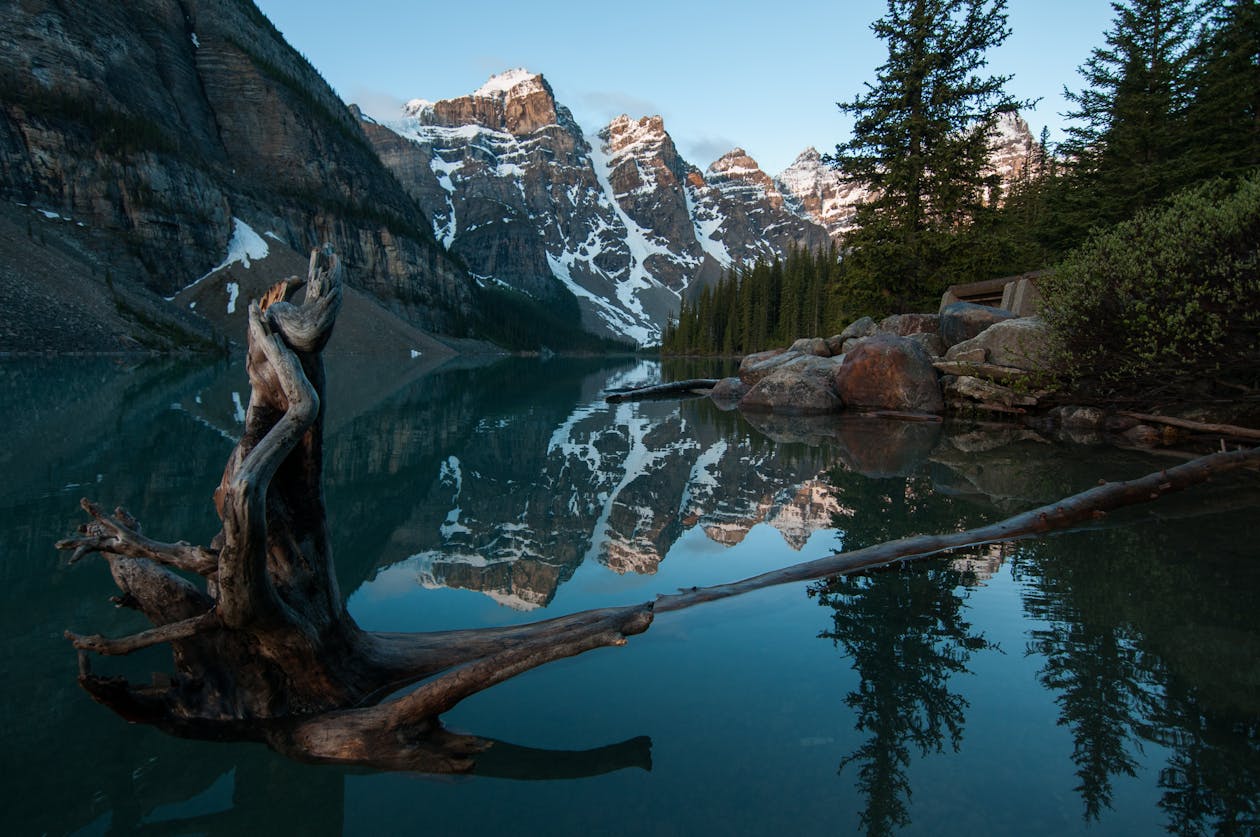
Fair question. Summer overlanding is easier, warmer, and more forgiving of mistakes. But winter has something the peak season never offers: solitude. Those Instagram-famous dispersed sites that require arriving at dawn in July? Empty in January. The trailhead parking lots that overflow in summer? Ghost towns.
What Draws People to Cold Weather Adventures
- Actual solitude: Popular summer destinations become yours alone
- Photography: Snow transforms familiar landscapes into something new
- Skill building: Cold weather humbles you and makes you more capable
- Year-round adventuring: No reason to hibernate just because the calendar says winter
The Risks Are Real
This isn’t meant to scare you off, but winter doesn’t forgive the shortcuts that summer might tolerate:
- Hypothermia: The genuine threat that underlies everything else
- Vehicle failures: Cold hammers batteries, thickens fluids, and stresses mechanical components
- Recovery challenges: Getting stuck in snow is different than mud – and often worse
- Short days: You lose hours of daylight when you need them most
- Nobody around: If something goes wrong, help might be far away
Getting Your Vehicle Ready
Fluids That Actually Work in Cold
This is where my first winter trip went sideways. Regular washer fluid freezes. The wrong coolant mixture can leave you stranded.
- Antifreeze: Test your mixture – it should protect well below what you expect to encounter
- Washer fluid: Buy the winter-rated stuff, rated to at least -20F
- Engine oil: Some manufacturers approve lighter viscosity for cold starts – check your manual
- Diesel owners: Anti-gel additives become mandatory below 20F

Battery Reality Check
Here’s something that surprised me: that battery giving you 100% at 80F might only deliver 50% at 0F. Half the cranking power when you need it most.
- Get your battery tested before the season – most auto parts stores do this free
- Clean your terminals and make sure connections are tight
- Battery warmers exist and work well for extreme cold camping
- Always carry a jump pack – jumper cables require another vehicle
Tires Matter More Than Ever
- All-terrains: Fine for light snow, but they have limits
- 3PMSF rated: That mountain/snowflake symbol means they’re actually tested for snow
- Chains: Carry them even if you think you won’t need them – and practice installing them at home
- Pressure checks: Cold drops PSI significantly – check frequently

Sleep System – This Isn’t Optional
Your Sleeping Setup Can Save Your Life
Staying warm through a winter night isn’t about comfort – it’s survival. Hypothermia can happen inside a tent.
- Sleeping bag: Get one rated 10-20F colder than you expect – temperature ratings assume ideal conditions
- Sleeping pad: R-value of 5 or higher – the ground steals heat relentlessly
- Bag liner: Cheap insurance that adds 10-15F to your bag’s rating
- Hot water bottle trick: Fill a Nalgene with boiling water, toss it in your bag before bed

Shelter Choices
- 4-season tent: Beefier poles, steeper walls to shed snow, better wind resistance
- Rooftop tent: Picks up some residual vehicle heat, but needs real insulation
- Sleeping in the vehicle: Warmest option, but condensation becomes a real problem
- Ventilation: You still need airflow to manage moisture, even when it’s freezing
Layering Actually Works
- Base layer: Moisture-wicking synthetics or merino wool – cotton kills in cold
- Mid layer: Fleece, down, or synthetic insulation – this is your warmth
- Outer layer: Shell that blocks wind and sheds precipitation
- Extremities: Quality boots, multiple glove options (liners plus shells), warm hat
Recovery in Snow and Ice
Snow-Specific Equipment
- Real snow shovel: Wide blade that moves volume – your folding camp shovel won’t cut it
- Recovery boards: If anything, more essential in snow than mud
- Tire chains: When nothing else provides traction, chains often will
- Traction aids: Even cat litter can help on ice

When You’re Stuck in Snow
- Stop immediately: Spinning wheels just dig you deeper into a hole
- Dig out: Clear snow from wheel wells and create a path forward
- Air down: Lower tire pressure creates a bigger footprint
- Recovery boards: Slide them under your drive wheels
- Rock it gently: Easy back-and-forth to build momentum
- Know when to wait: Sometimes conditions change faster than you can dig
Planning and Emergency Prep
Before You Leave
- Weather obsession: Check multiple sources, watch for incoming systems
- Road status: Many forest roads close entirely in winter – verify before you go
- Tell someone: Detailed itinerary, expected return, who to call if you’re late
- Build in buffer: Plan flexibility for delays – getting stuck happens
Emergency Supplies
- Extra food: Plan for 2-3 extra days minimum
- Extra fuel: Cold weather tanks your fuel economy
- Fire starting: Multiple methods, stored waterproof
- Communication: Satellite messenger – cell coverage disappears exactly when you need it
- Emergency shelter: Bivy sack or space blanket, separate from your main setup
Recognizing Hypothermia
Know these signs – they can sneak up on you or a travel companion:
- Early: Shivering, cold hands and feet, fumbling fingers
- Moderate: Confusion, slurred words, unusual drowsiness
- Severe: Shivering stops (muscles exhausted), unresponsiveness
- Response: Shelter, dry clothes, warm fluids – and get help moving
Food and Water in the Cold
Keeping Water Liquid
- Insulate or internalize: Water bottles go inside the vehicle or sleeping bag
- Neoprene sleeves: Buy time against freezing
- Drink more: Cold suppresses thirst, but you’re still losing moisture
- Melting snow: Works but burns through fuel quickly
Cooking in Cold Weather
- Fuel consumption: Expect to use significantly more than summer trips
- Canister stoves: Propane and butane hate the cold – keep canisters warm in your jacket
- Liquid fuel stoves: Perform better when temperatures drop
- Hot food: Not just comfort – genuine warmth from the inside
Where to Go (And Where to Avoid)
Good Winter Destinations
- Desert Southwest: Mild temps, roads stay open year-round
- Southern routes: Lower elevations remain passable
- Groomed winter trails: Some areas specifically maintain routes for winter access
What to Skip Until You’re Ready
- Mountain passes: Most close for good reason
- High elevation anything: Brutal cold and deep snow
- Truly remote areas: If something goes wrong, rescue gets complicated fast
Building Up to It
Winter overlanding demands humility. Before heading into serious backcountry:
- Backyard test: Sleep in your setup in cold temps close to home first
- Easy routes: Start with maintained roads, not technical trails
- Travel with others: Groups provide backup and shared resources
- Gradual progression: Add challenge as your gear and skills prove out
- No shame in retreat: Turning back isn’t failure – it’s intelligence
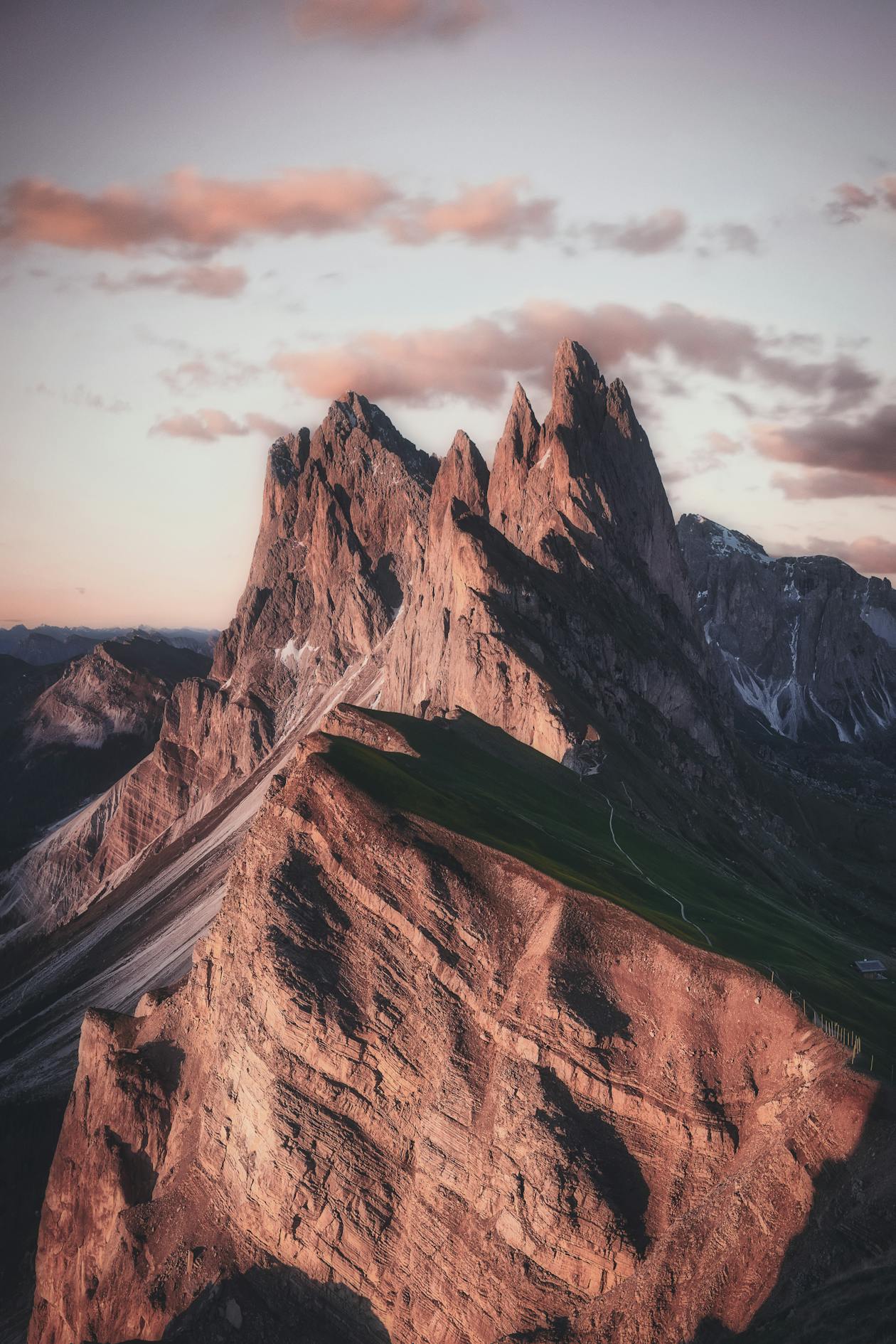
That’s what makes winter overlanding both demanding and rewarding. The margin for error shrinks, but the payoff – empty trails, quiet camps, snow-covered landscapes all to yourself – makes the extra preparation worthwhile. Just respect what cold weather can do, prepare thoroughly, and you’ll discover adventures that summer-only overlanders never experience.

Stay in the loop
Get the latest wildlife research and conservation news delivered to your inbox.