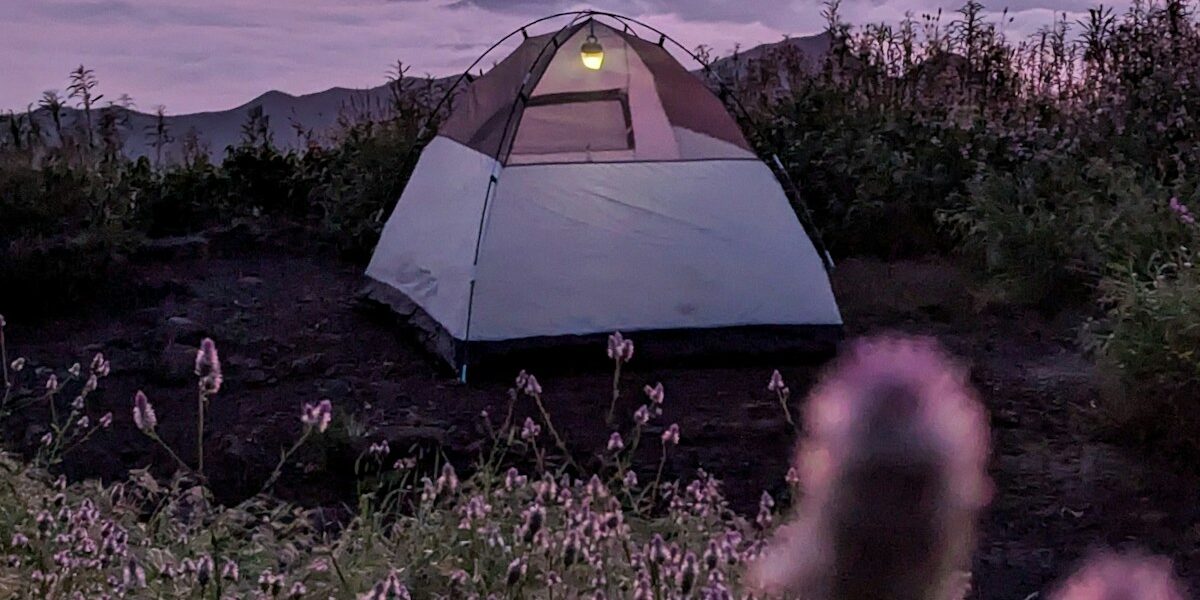
Leave No Trace principles guide responsible outdoor recreation by minimizing human impact on natural environments. These seven principles apply to all outdoor activities from day hiking to extended backcountry expeditions. Following Leave No Trace practices preserves wilderness character for future visitors and protects wildlife habitats.
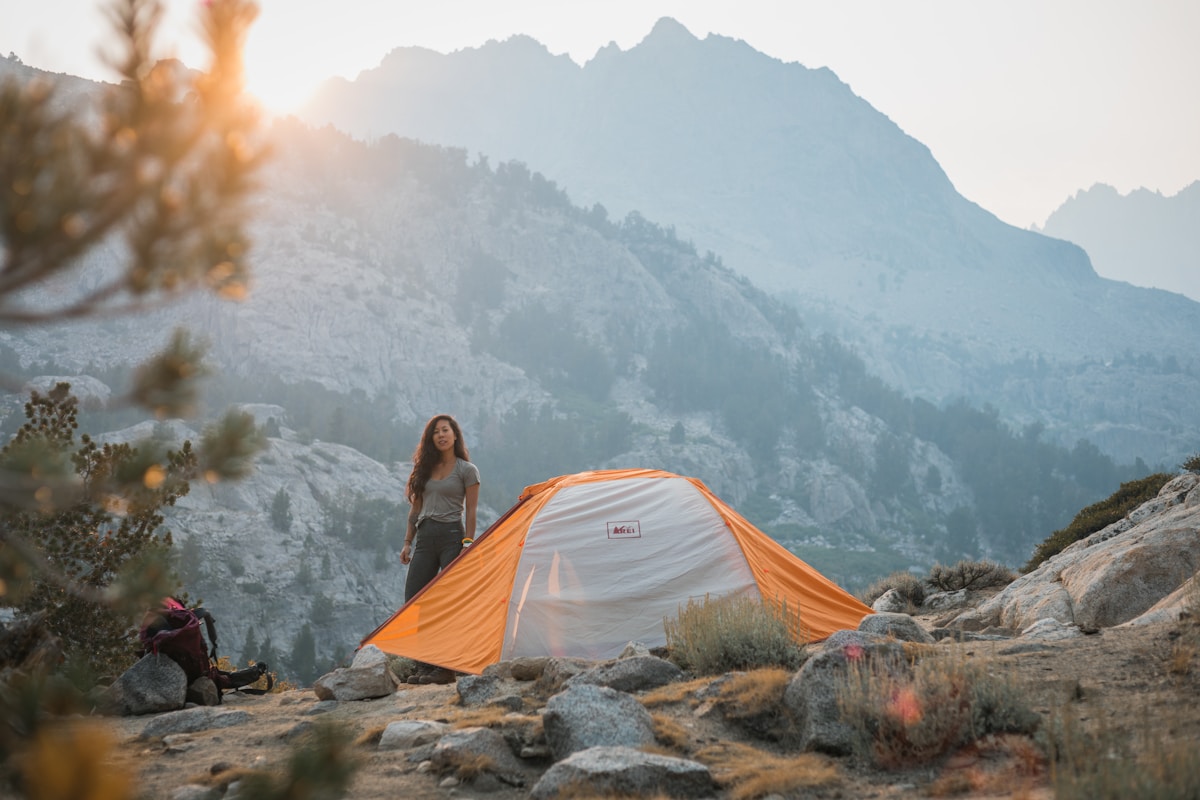
Plan Ahead and Prepare
Proper planning reduces impact and increases safety. Research regulations and special concerns for your destination before arrival. Prepare for extreme weather, hazards, and emergencies. Schedule trips to avoid peak usage times when possible. Visit in small groups when regulations allow and split larger parties into smaller groups.
Repackage food to minimize waste. Plan meals that produce little trash and eliminate excess packaging at home rather than on the trail. Study maps and plan your route to avoid sensitive areas and stay on established trails throughout your trip.
Travel and Camp on Durable Surfaces
Durable surfaces include established trails, rock, gravel, dry grasses, and snow. Protect riparian areas by camping at least two hundred feet from lakes and streams. Good campsites are found, not made. Altering a site to accommodate your tent damages vegetation that takes years to recover.
In popular areas, concentrate use on existing trails and campsites. In pristine areas, disperse use to prevent creation of new trails and campsites. Walk single file in the middle of the trail, even when wet or muddy, to avoid widening paths.
Dispose of Waste Properly
Pack it in, pack it out. Inspect your campsite and rest areas for trash or spilled food. Pack out all trash, leftover food, and litter. Deposit solid human waste in catholes dug six to eight inches deep at least two hundred feet from water, camp, and trails. Cover and disguise the cathole when finished.
Pack out toilet paper and hygiene products. To wash yourself or dishes, carry water two hundred feet from streams or lakes and use small amounts of biodegradable soap. Scatter strained dishwater widely.
Leave What You Find
Preserve the past by examining but not touching cultural or historic structures and artifacts. Leave rocks, plants, and other natural objects as you find them. Avoid introducing or transporting non-native species. Do not build structures or furniture, and do not dig trenches around tents.
Natural souvenirs belong in their environment. Removing objects alters the experience for future visitors and can damage ecosystems. Photograph interesting finds instead of collecting them. The memories and images last longer than physical objects anyway.
Minimize Campfire Impacts
Campfires can cause lasting impacts to the backcountry. Use a lightweight stove for cooking and enjoy a candle lantern for light. Where fires are permitted, use established fire rings, fire pans, or mound fires. Keep fires small using only sticks from the ground that can be broken by hand.
Burn all wood and coals to ash, put out campfires completely, then scatter cool ashes. Never leave a fire unattended and ensure it is completely extinguished before sleeping or leaving camp.
Respect Wildlife
Observe wildlife from a distance and never follow or approach them. Never feed animals because feeding damages their health, alters natural behaviors, and exposes them to predators and other dangers. Protect wildlife and your food by storing rations and trash securely.
Control pets at all times or leave them at home. Avoid wildlife during sensitive times such as mating, nesting, and raising young, or during winter when food is scarce.
Be Considerate of Other Visitors
Respect other visitors and protect the quality of their experience. Be courteous and yield to other users on the trail. Step to the downhill side of the trail when encountering pack stock. Take breaks and camp away from trails and other visitors.
Let nature sounds prevail. Avoid loud voices and noises. Maintain a reasonable pace and remain aware of other hikers around you.


Stay in the loop
Get the latest trail owl updates delivered to your inbox.